







Cyanoacrylate Adhesives
Showing 1–16 of 27 results
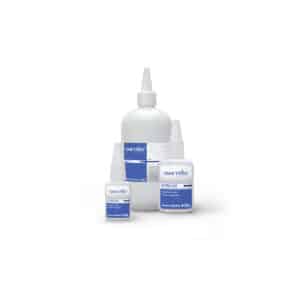
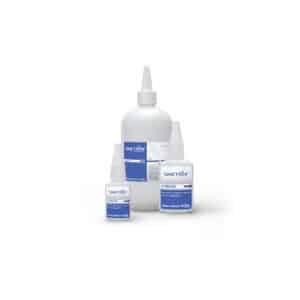
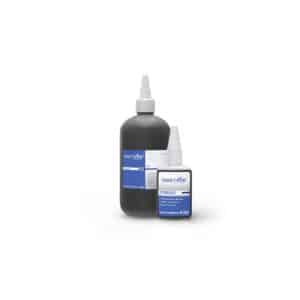
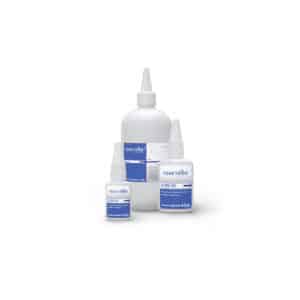
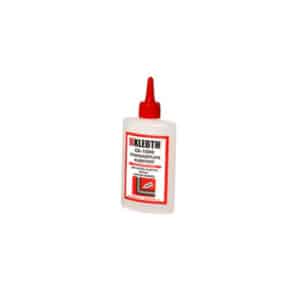
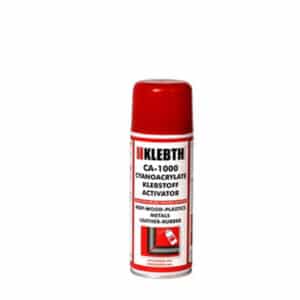
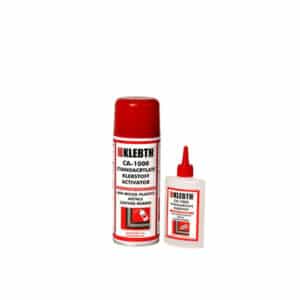
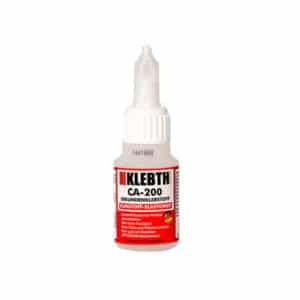
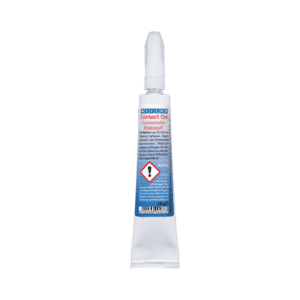
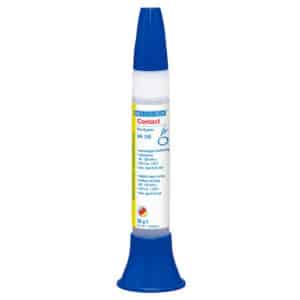
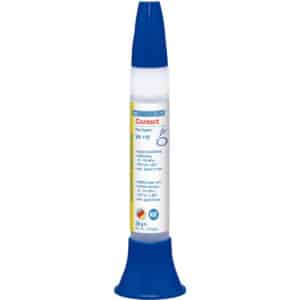
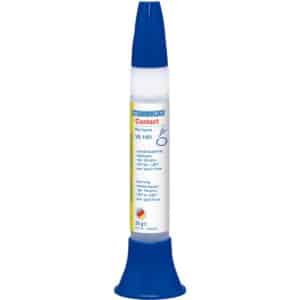
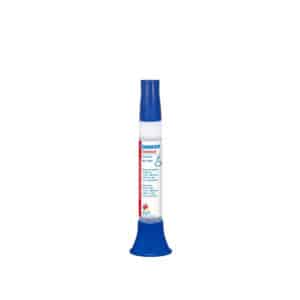
In modern manufacturing processes, time, efficiency, and precision are highly important. For this reason, an adhesive must not only be strong but also quick to apply and easy to control. Cyanoacrylate adhesives stand out with formulations that meet exactly this need. Especially in small contact areas and precision assembly operations, their fast-curing properties can significantly simplify workflow.
In this article, we will discuss in a detailed yet easy-to-understand way what cyanoacrylate adhesives are, what they are used for, where they are applied, what types they come in, how they should be selected, and what should be considered during application.
What Are Cyanoacrylate Adhesives?
Cyanoacrylate adhesives are powerful adhesive systems that cure very quickly and are generally offered as single-component products. They are also commonly known as “instant adhesives” or “super glue.” These products react with moisture on the surface and can create a strong bond within seconds. This feature makes them especially valuable in applications that require fast assembly and precise bonding of small parts.
Basic Working Principle
These adhesives begin to polymerize when they come into contact with the very low level of moisture present on surfaces. As a result of this chemical reaction, a hard and durable bond is formed in a short time. Cyanoacrylate adhesives, especially thanks to their thin structure, can penetrate narrow gaps and provide effective bonding performance on small surfaces.
Structural Features
Cyanoacrylate adhesives are known for their fast curing, high initial bond strength, and ease of application. Since they are manufactured in different viscosity levels, they can offer both liquid and gel-form options. This variety makes it easier to find a suitable product for many different applications, from vertical surfaces to delicate electronic components.
What Are Cyanoacrylate Adhesives Used For?
The success of an adhesive is measured not only by bond strength but also by the contribution it makes to application speed and ease of use. In this respect, cyanoacrylate adhesives offer solutions that are both practical and strong.
Provide Fast Bonding
The most important advantage of these products is their ability to bond within seconds. Especially in production lines where speed is critical, cyanoacrylate adhesives can save time and increase efficiency.
Join Small and Delicate Parts
Controlled bonding is required for delicate parts such as electronic components, plastic parts, small metal accessories, or decorative items. Cyanoacrylate adhesives can deliver effective results in such areas thanks to their ability to be applied in thin amounts.
Offer Strong Initial Grab
In some bonding applications, you do not want to wait a long time for parts to be fixed in place. Cyanoacrylate adhesives, with their fast initial grab, help parts hold position quickly and speed up the assembly process.
Where Are Cyanoacrylate Adhesives Used?
Cyanoacrylate adhesives have a very wide range of use in both industrial and personal applications. Depending on the product type and formulation, they can provide effective solutions across different industries.
Industrial Manufacturing and Assembly
Cyanoacrylate adhesives are widely used in electronic assembly, automotive sub-industry, plastic part bonding, rubber component fixing, and various delicate assembly operations. They provide an important advantage especially in production processes requiring short cycle times.
Furniture, Decoration, and Hobby Applications
In bonding small decorative parts, fixing wooden accessories, model making, and hobby work, cyanoacrylate adhesives offer practical and fast solutions. Thanks to controlled application, aesthetically clean results can be achieved.
Service and Repair Work
Cyanoacrylate adhesives are often preferred in the repair of broken plastic parts, loose small metal components, or rubber elements. They are especially useful in maintenance and service work where quick intervention is needed.
- Electronic and precision assembly processes
- Plastic and rubber part bonding
- Metal accessory fixing
- Furniture and decorative applications
- Hobby and model making
- Service and maintenance repairs
- General industrial assembly processes
What Types of Cyanoacrylate Adhesives Are There?
Not every product is suitable for every application. For this reason, cyanoacrylate adhesives are available in different types based on viscosity, curing speed, and application needs.
Low-Viscosity Cyanoacrylates
These products have a more fluid structure and can easily penetrate very narrow gaps. They can deliver effective results on fine surfaces and delicate contact points. They are especially suitable for closely fitting parts.
Gel-Type Cyanoacrylates
Gel-form cyanoacrylate adhesives provide an advantage on vertical surfaces or in applications where running is not desired. Since they offer more controlled use, they can often be preferred in decorative and repair applications.
Specially Formulated Products
Some cyanoacrylate adhesives are specially developed for rubber, plastic, or difficult-to-bond surfaces. Some products may also be modified to provide impact resistance, flexibility, or longer working time. For this reason, surface compatibility is highly important when choosing a product.
| Adhesive Type | Key Feature | Common Application Area |
|---|---|---|
| Low viscosity | Fast spreading and penetration into fine gaps | Precise and closely fitting surfaces |
| Medium viscosity | Balanced flow and controlled application | General-purpose assembly |
| Gel form | Use without running | Vertical surfaces and repair work |
| Special formulation | Improved performance on specific surfaces | Plastic, rubber, and special applications |
How to Choose the Right Cyanoacrylate Adhesive
Choosing the right product directly affects both bonding quality and application efficiency. The same cyanoacrylate adhesives may not be suitable for every surface and every application.
Determine the Surface Material
Whether the surface to be bonded is plastic, metal, rubber, ceramic, or composite is decisive in the selection process. Some surfaces may require special formulations. For this reason, choosing among cyanoacrylate adhesives according to surface compatibility provides more reliable results.
Evaluate the Gap and Application Method
If the surfaces fit together perfectly, low-viscosity products may be sufficient. However, if there is a gap or if the application is vertical, gel form may be more suitable. Therefore, the flow characteristics of the product are very important for application success.
Working Speed and Performance Expectations
In some applications, very fast curing is an advantage, while in others a slightly more controlled working time may be needed so that parts can be aligned properly. For this reason, when choosing cyanoacrylate adhesives, not only bond strength but also working time should be considered.
What Should Be Considered During Application?
Even the strongest product may not deliver the expected result if applied incorrectly. For this reason, some basic application rules should be followed when using cyanoacrylate adhesives.
Surface Cleaning
The surface must be clean, dry, and free from grease. Dust, dirt, or oil residue can seriously reduce adhesion. Surface preparation is always the first step for achieving a strong result.
Use the Correct Amount
Using too much adhesive does not always give better results. On the contrary, in some cases it may slow down curing or cause overflow. Cyanoacrylate adhesives generally perform best when applied in thin and controlled amounts.
Position the Parts Correctly
Since these adhesives cure very quickly, it is important that the parts are correctly aligned in advance. The adjustment time after application may be limited. Therefore, preparation before the process should be done carefully.
- Clean and dry the surface.
- Apply the appropriate amount of adhesive to the surface.
- Join the parts by aligning them correctly.
- Hold them steady briefly to achieve initial grab.
- Wait for full curing if necessary.
Important note: Since cyanoacrylate adhesives cure very quickly, part fit and surface preparation must always be checked before application.
Conclusion
Cyanoacrylate adhesives have an important place in many industries and everyday applications thanks to their fast curing, strong bonding, and practical ease of use. Their ability to offer a wide range of uses, from the precise joining of small parts to industrial assembly processes, makes these products highly valuable.
When the right product is selected and applied properly, cyanoacrylate adhesives do more than just offer a fast solution; they also provide reliable and efficient bonding performance. In short, for those looking for a fast and effective bond, cyanoacrylate adhesives are a strong and professional solution.



