







Two-Component Adhesives
Showing 1–16 of 94 results
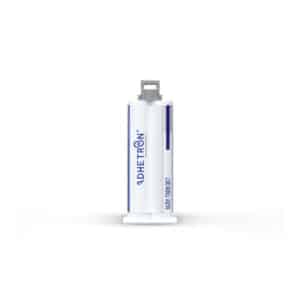
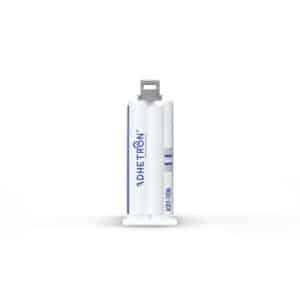
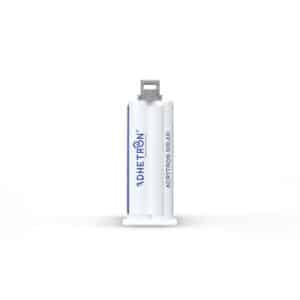
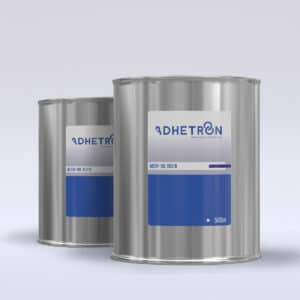
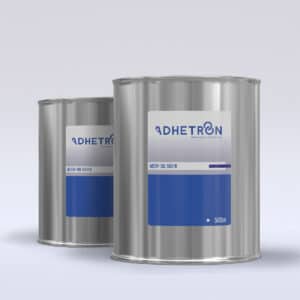
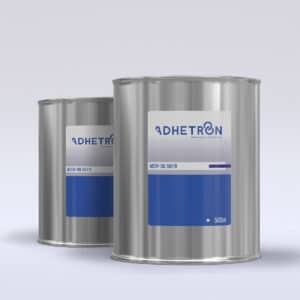
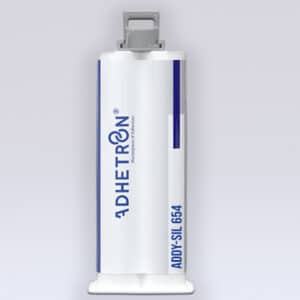
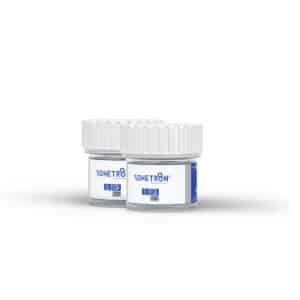
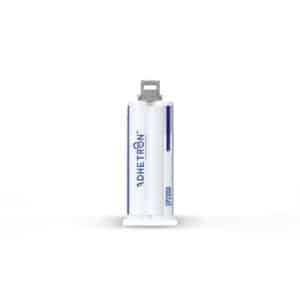
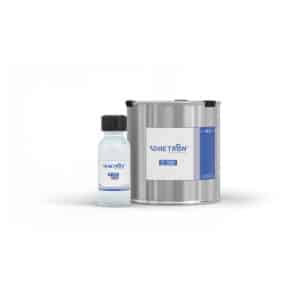
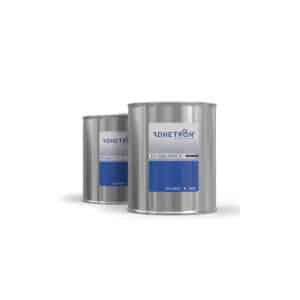
For an adhesive to be considered successful, initial grab alone is not enough. Its load-bearing capacity, environmental durability, chemical resistance, and long-term performance must also be evaluated. 2-component adhesives are frequently preferred in technical applications that require high performance because they become active when two separate components are mixed in specific ratios.
In this article, we will discuss in a detailed yet easy-to-understand way what 2-component adhesives are, what they are used for, where they are applied, what types they come in, how they should be selected, and what should be considered during application.
What Are 2-Component Adhesives?
2-component adhesives are adhesive systems in which a chemical reaction begins when two separate components are combined, and as a result of this reaction, the product cures and forms a strong bond. These components are generally referred to as resin and hardener. Unlike one-component products, the performance of the adhesive largely depends on the correct mixing ratio and proper application conditions.
Basic Working Principle
In these systems, when the two components are mixed, a chemical reaction begins, and after a certain working time, the adhesive starts to harden. Thanks to this structure, 2-component adhesives can offer controlled application, high mechanical strength, and more specialized performance properties. This controlled reaction provides a major advantage, especially on large surfaces or in structural assemblies.
Structural Features
2-component adhesives are known for features such as high bond strength, gap-filling capability, chemical resistance, and compatibility with different materials. Depending on the product type, they can provide a rigid, semi-flexible, or flexible structure. In addition, some systems may perform better against high temperatures, impact, or vibration.
What Are 2-Component Adhesives Used For?
The value offered by an adhesive is measured not only by its ability to join two surfaces, but also by how durable and reliable that bond is. In this respect, 2-component adhesives offer versatile advantages.
Provide High-Strength Bonding
These products deliver strong performance especially in applications that require carrying high mechanical loads. Thanks to their ability to form strong bonds on different surfaces such as metal, composite, plastic, wood, and ceramic, 2-component adhesives offer an important solution in areas where structural bonding is required.
Offer Gap-Filling Advantages
In some bonding applications, surfaces do not fit together perfectly. In such cases, the adhesive’s ability to fill gaps provides a major advantage. In many formulations, 2-component adhesives meet this need and can create a stronger and more balanced bond.
Perform in Challenging Environments
In systems exposed to chemicals, moisture, temperature changes, and mechanical stress, standard adhesives may be inadequate. When the right product is selected, 2-component adhesives can provide longer-lasting performance under such demanding conditions.
Where Are 2-Component Adhesives Used?
2-component adhesives are professional solutions with a wide range of applications. Their area of use may vary depending on the chemical structure of the product and mechanical expectations.
Automotive and Transportation Systems
2-component adhesives can be widely used in body parts, interior trim elements, composite surfaces, and various technical assembly points. In these areas, impact resistance, vibration tolerance, and long-lasting performance are especially important.
Construction and Building Applications
In panel installation, anchoring details, stone and metal bonding, prefabricated element applications, and various structural assembly operations, 2-component adhesives can provide strong and permanent bonding solutions.
Industrial Manufacturing and Composite Applications
2-component adhesives stand out as a high-performance alternative in machine parts, electronic components, composite panels, plastic parts, and various technical assembly lines. Controlled curing can provide a major advantage, especially in precision manufacturing processes.
- Automotive and vehicle equipment
- Building and construction assemblies
- Metal and composite surface bonding
- Electronics and technical equipment assembly
- Panel and decorative system applications
- Furniture and wood industry
- General industrial manufacturing processes
What Types of 2-Component Adhesives Are There?
Not every product is suitable for every application. For this reason, 2-component adhesives are divided into different types according to their chemical structure and intended use.
Epoxy-Based Systems
Epoxy-based 2-component adhesives are known for offering high mechanical strength, chemical resistance, and a rigid structure. They are generally preferred in metal, composite, concrete, and structural applications.
Polyurethane-Based Systems
Polyurethane-based systems can offer advantages in applications that require a more flexible structure and impact resistance. They can be used in vibration-prone areas, in bonding different materials, and in systems that require flexibility.
Acrylic and Hybrid Systems
Some 2-component adhesives are formulated with acrylic or hybrid structures to meet needs such as fast curing, adhesion to difficult surfaces, or specific process requirements. These systems can be preferred especially in areas where production speed is critical.
| Adhesive Type | Key Feature | Common Application Area |
|---|---|---|
| Epoxy-based | High rigidity and strength | Metal, composite, structural assembly |
| Polyurethane-based | Flexibility and impact resistance | Vibration-prone and multi-material systems |
| Acrylic-based | Fast curing and strong adhesion | Industrial production lines |
| Hybrid systems | Balanced performance features | Special technical applications |
How to Choose the Right 2-Component Adhesive
Choosing the right product directly affects the success of the application. The same 2-component adhesives may not be suitable for every surface and every process.
Determine the Surface Type
Whether the material to be bonded is metal, plastic, composite, wood, concrete, or ceramic is decisive in the selection process. Since every surface has different adhesion characteristics, material compatibility must always be considered when choosing among 2-component adhesives.
Evaluate Mechanical and Environmental Conditions
It should be determined how much load the bond will carry, whether it will be exposed to vibration, whether it will be used indoors or outdoors, and whether it will come into contact with chemicals. This information makes it easier to choose the most suitable product.
Consider Working Time and Application Conditions
Some applications require a longer open time, while fast curing provides an advantage in certain production lines. For this reason, when selecting 2-component adhesives, criteria such as pot life, curing time, and ease of application should also be evaluated.
What Should Be Considered During Application?
Even the strongest product will not deliver the expected performance if applied incorrectly. For this reason, some basic rules should be followed when using 2-component adhesives.
Correct Mixing Ratio
The two components must be mixed in the ratio recommended by the manufacturer. Incorrect proportions may lead to incomplete curing, low strength, or surface problems. For this reason, mixing accuracy is critical.
Surface Preparation
The surface must be clean, dry, and free of grease. Dust, rust, dirt, and loose residues can negatively affect adhesion. A well-prepared surface before application significantly improves the performance of 2-component adhesives.
Follow Working and Curing Time
After mixing, the product must be used within a certain period. After this time, viscosity may increase and performance may decrease. In addition, parts should not be stressed before full curing is complete.
- Clean and dry the surface.
- Mix the components in the recommended ratio.
- Apply the adhesive in a controlled and even manner.
- Join the parts in the correct position.
- Protect the system throughout the full curing period.
Important note: 2-component adhesives offer high performance, but to achieve the best result, the mixing ratio, surface preparation, and curing time must all be managed correctly.
Conclusion
2-component adhesives hold an important place in modern manufacturing and assembly processes thanks to their strong bond strength, controlled application structure, and reliable performance under demanding conditions. They offer highly effective solutions especially in applications where structural strength, chemical resistance, and long service life are expected.
When the right product is selected and applied properly, 2-component adhesives do more than simply join two surfaces; they also improve system safety, durability, and efficiency. In short, for those seeking professional and permanent bonding, 2-component adhesives are a strong and technically valuable option.



