







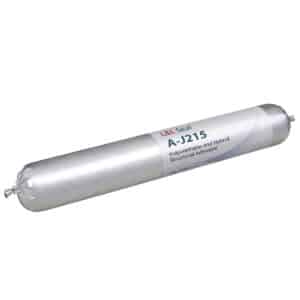
One-Component Adhesives
Showing 97–112 of 140 results
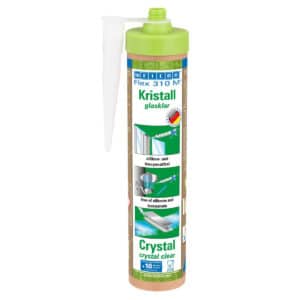
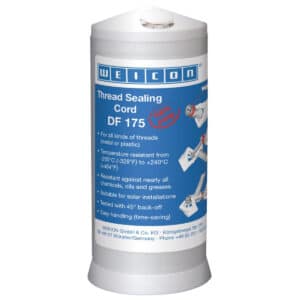
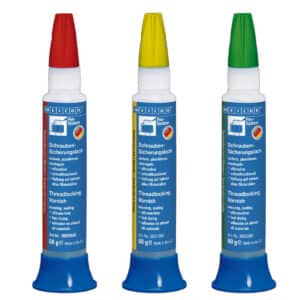
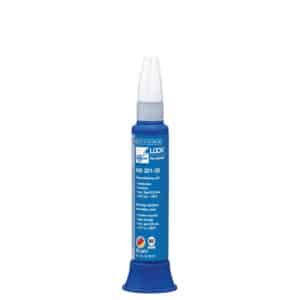
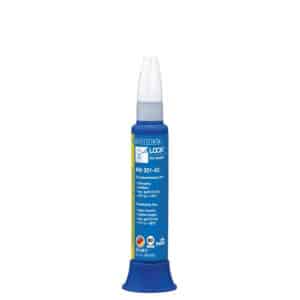
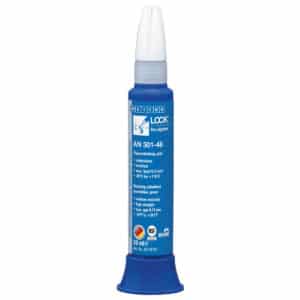
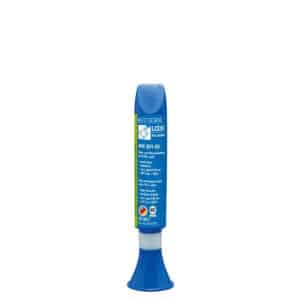
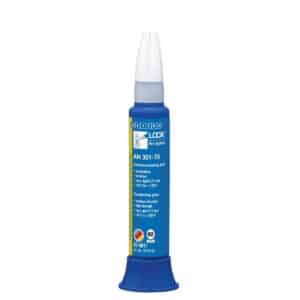
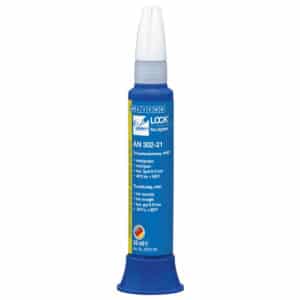
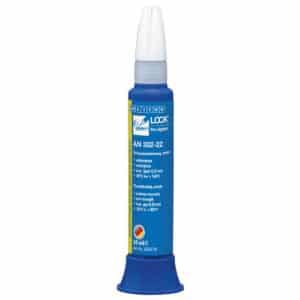
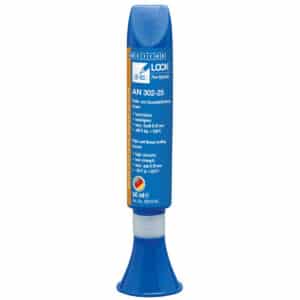
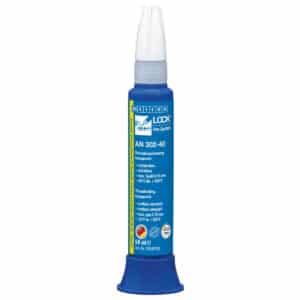
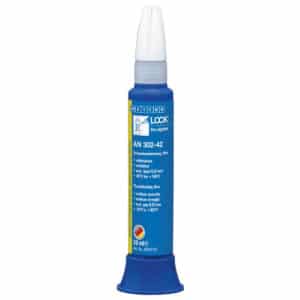
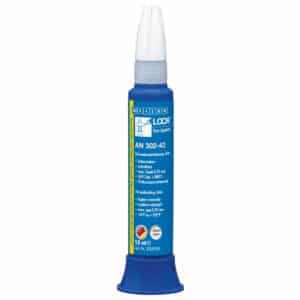
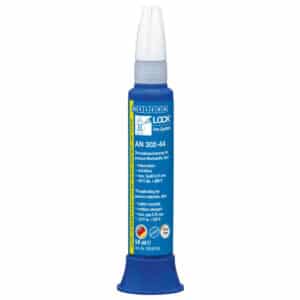
are becoming increasingly popular thanks to their ease of application and consistent performance.
These no-mix systems offer major advantages, especially for businesses looking to increase process speed, reduce errors, and maintain application standards.
In this article, we will explore 1-component adhesives in a technical yet easy-to-understand way.
We will look step by step at the different types available, how they cure, which surfaces they perform best on, and what to consider when choosing the right one.
What Are 1-Component Adhesives?
1-component adhesives are ready-to-use adhesive systems that do not require mixing with a second component before application.
Depending on their formulation, these products cure and reach final strength through exposure to moisture in the air, heat, UV light, or contact with a surface.
How Do They Work?
In conventional two-component systems, the resin and hardener must be mixed in the correct ratio. In contrast,
1-component adhesives are supplied ready to use in a single package. This simplifies the application process,
reduces operator error, and saves time on production lines.
Why Are They So Widely Preferred?
In mass production, achieving the same mixing ratio in every application is critical. Since single-component systems eliminate this mixing issue, quality standardization becomes much easier.
In addition, waste can be reduced, labor time can be shortened, and application processes can become more controlled.
Important note: Although 1-component adhesives offer ease of use, not every product is suitable for every surface. The right choice should be made based on surface type, operating temperature, humidity, load type, and curing time.
Types of 1-Component Adhesives
1-component adhesives on the market can be divided into different categories based on their chemical structure and curing mechanisms.
Each type stands out in different applications and offers a distinct performance profile.
Cyanoacrylate-Based Adhesives
Commonly known as “instant adhesives,” cyanoacrylates are products that provide bonding in a very short time.
They are highly effective in applications requiring speed on small bonding areas. They can perform well on plastics, rubber, metal, and some composite surfaces.
However, they may not always be the ideal solution for applications requiring impact resistance, high gap-filling capacity, or long-term outdoor durability.
For this reason, the intended use must be evaluated carefully.
Polyurethane-Based 1-Component Adhesives
Polyurethane-based 1-component adhesives generally offer a balanced combination of flexibility and bonding strength.
They are widely used in automotive, furniture, building components, and sandwich panel applications.
These products can be especially advantageous when bonding materials with different coefficients of expansion.
Thanks to their elastic structure, they can better tolerate vibration, impact, and thermal movement.
Silicone and RTV Systems
Silicone-based 1-component adhesives stand out in applications where sealing and elastic bonding are required.
They are frequently used in electronic component protection, white goods, lighting systems, and general industrial assembly.
High temperature resistance, weather durability, and long-lasting elasticity make this group especially attractive for outdoor applications.
Single-Component Epoxy Systems
Epoxy-based 1-component adhesives are prominent in applications requiring more structural and high-strength performance.
They are used in electronics, composites, metal bonding, and certain advanced engineering applications.
These products often cure with heat and are preferred in jobs that require high-temperature resistance, chemical durability, or structural integrity.
They are among the strong solutions that combine ease of application with technical performance.
Advantages and Limitations of 1-Component Adhesives
Main Advantages
- No mixing required; ready to use.
- Easier dosing and process control.
- Reduces operator-related mixing errors.
- Can save time in mass production lines.
- May help reduce waste and rework costs.
- Some products provide a cleaner appearance and smoother application finish.
Limitations to Consider
- Curing time may vary depending on environmental conditions.
- Some types may cure slowly in thick applications.
- Not every product is compatible with every material.
- Storage conditions can directly affect performance.
- Heat-curing systems may not suit every production line.
The key point here is this: while 1-component adhesives may often be the easiest solution, they are not automatically the right solution.
Good results depend on correctly matching the product chemistry with the application conditions.
How to Choose the Right 1-Component Adhesive
Surface Type and Application Environment
Material selection is one of the most critical criteria. Metal, plastic, glass, ceramic, wood, and composite surfaces all have different surface energies,
roughness levels, and thermal behavior. For this reason, when selecting 1-component adhesives, it is important not to focus only on the phrase “strong adhesive,”
but also on technical compatibility with the specific material.
The application environment also matters. Indoor use, exterior exposure, high humidity, UV exposure, chemical contact, and vibration can all significantly affect product performance.
Mechanical Requirements and Curing Time
The following questions should always be asked when selecting an adhesive: Will the bond remain fixed, or is flexibility required? Is there impact loading? What is the continuous operating temperature?
Does it need to set within seconds on the assembly line, or is a longer curing time acceptable?
| Adhesive Type | Key Feature | Typical Application | Point to Consider |
|---|---|---|---|
| Cyanoacrylate | Very fast bonding | Small parts, fast assembly | Gap filling and flexibility may be limited |
| Polyurethane | Balance of flexibility and strength | Construction, automotive, panel assembly | Moisture and curing time should be monitored carefully |
| Silicone / RTV | Elasticity and sealing | Electronics, outdoor use, sealing | Structural load-bearing expectations should be assessed correctly |
| 1K Epoxy | High structural strength | Metal, composite, electronics | Most systems require heat curing |
Tips to Increase Efficiency in Application
Surface Preparation
Even the highest-quality 1-component adhesives will not deliver the expected performance on a poorly prepared surface.
Dust, oil, moisture, oxide layers, and mold release residues can significantly reduce bond quality.
For this reason, cleaning, sanding when necessary, or using a suitable primer should not be neglected.
Storage and Process Discipline
Although single-component systems may seem practical, storage conditions can be critical. The product must be stored at the recommended temperature,
used within the proper time after opening, and applied according to the manufacturer’s technical data sheet.
Standardizing parameters such as application thickness, ambient temperature, and relative humidity can improve result quality.
Practical tip: Before selecting a product, run a small-scale test. An adhesive tested under real surface, real temperature, and real assembly conditions provides more valuable insight than catalog data alone.
Applications by Industry
Industrial Manufacturing and Automotive
In automotive and general industrial manufacturing, 1-component adhesives are used to speed up assembly processes and make part bonding more controlled.
Elastic or structural-grade products are especially prominent when joining different surfaces such as metal, plastic, and composite materials.
Electronics and Electrical Applications
In the electronics industry, vibration resistance, moisture protection, and precise application are highly important.
For this reason, silicone and some single-component epoxy systems are preferred for applications such as module protection, component fixing, and encapsulation.
Construction, Furniture, and Repair
In the construction and furniture sectors, needs such as flexible bonding, filling, sealing, and quick repair come to the forefront.
At this point, polyurethane- and silicone-based 1-component adhesives offer versatile solutions.
Conclusion: Why Are 1-Component Adhesives Important?
In summary, 1-component adhesives play an important role in modern manufacturing and assembly processes thanks to their ease of application, process standardization, and wide range of uses.
When the right product is selected, fast application, reliable bonding, and long-lasting performance can be achieved together.
However, successful results depend not only on the product name, but also on the surface type, environmental conditions, required mechanical performance, and curing method.
Properly selected 1-component adhesives can be a powerful solution that improves both quality and operational efficiency.
Frequently Asked Questions
How long do 1-component adhesives take to dry?
This depends on the product type. Some instant adhesives provide initial bonding within seconds,
while some epoxy or polyurethane systems may require more time for full curing.
Can the same product be used for every material?
No. There are significant performance differences among 1-component adhesives.
Product compatibility should always be checked for plastics, metals, glass, or wood.



