Epoxy Repair Products
Showing all 15 results
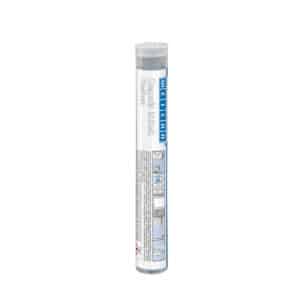
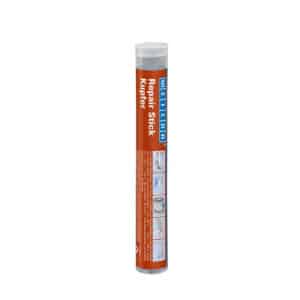
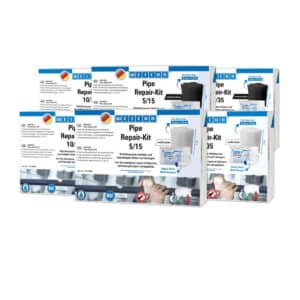
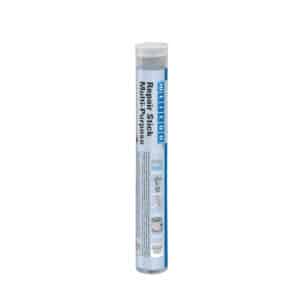
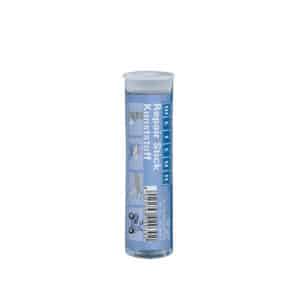
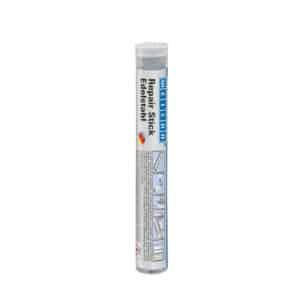
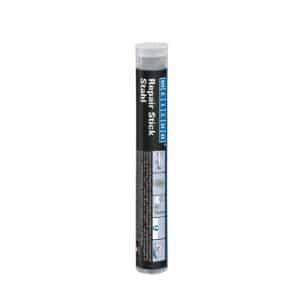
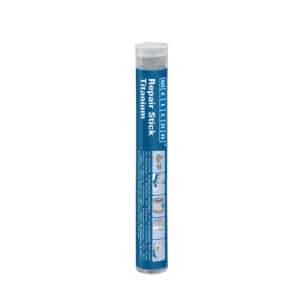
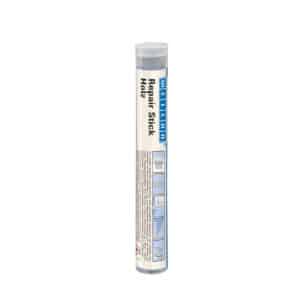
It is not enough for a repair material to simply fill a gap. It must also adhere strongly to the surface, provide mechanical strength, resist environmental conditions, and deliver reliable long-term results. Epoxy repair products effectively meet these expectations and make permanent repair possible, especially in demanding applications.
In this article, we will discuss in a detailed yet easy-to-understand way what epoxy repair products are, what they are used for, where they are applied, what types they come in, how they should be selected, and what should be considered during application.
What Are Epoxy Repair Products?
Epoxy repair products are special materials used for repairing, filling, reinforcing, or reshaping damaged surfaces thanks to their resin- and hardener-based structures. After application, these products harden to form a durable structure and help make the repaired area usable again.
Basic Working Principle
In these systems, a chemical reaction begins when the resin and hardener components are combined in specific ratios. As a result of this reaction, the product changes from a liquid, putty, or paste-like consistency into a hard and durable structure. For this reason, epoxy repair products can be used not only to eliminate surface defects but also for structural reinforcement purposes.
Structural Features
Epoxy repair products are known for features such as high adhesion strength, gap-filling capacity, mechanical durability, and chemical resistance. Depending on the product type, they may come in putty, liquid, filler paste, or moldable dough form. This variety makes it easier to find solutions suitable for different repair needs across different industries.
What Are Epoxy Repair Products Used For?
The success of a repair product is measured not only by its ability to cover damage, but also by how strong and long-lasting the repaired area remains. In this respect, epoxy repair products offer a wide range of benefits.
Fill Cracks and Gaps
Cracks, holes, and surface defects on concrete, metal, wood, or composite surfaces can lead to bigger problems over time. Epoxy repair products can fill these gaps, restore surface integrity, and provide safer use.
Repair Broken and Damaged Parts
In some cases, repairing a part instead of replacing it completely can be faster and more economical. Epoxy repair products help reshape broken, worn, or damaged areas and simplify the repair process.
Reinforce and Protect the Surface
Durability after repair is highly important. When the right product is selected, epoxy repair products do more than just cover existing damage; they can also help make the surface more resistant to similar stress in the future.
Where Are Epoxy Repair Products Used?
Epoxy repair products have a very broad range of uses, from professional maintenance-repair processes to individual repair work. Their application area may vary depending on product formulation and the required performance.
Construction and Concrete Repairs
Epoxy repair products are widely used to eliminate cracks, gaps, and fractures in columns, beams, floors, walls, and concrete surfaces. They provide effective results especially in applications where durability and structural integrity are required.
Metal and Machine Parts
Epoxy repair products can be preferred for repair and surface restoration on worn metal surfaces, body damage, machine housings, pipe systems, and various technical equipment. In such applications, mechanical strength is a major advantage.
Automotive, Marine, and General Maintenance
Epoxy repair products can provide practical and durable repair solutions for vehicle parts, boat surfaces, equipment housings, and service-maintenance processes. They are especially useful in situations that require quick intervention.
- Repair of concrete and structural elements
- Repair of metal surfaces and machine parts
- Repairs of pipes, tanks, and connection points
- Automotive body and component repairs
- Marine and boat maintenance applications
- Wood and composite surface corrections
- General industrial maintenance-repair operations
What Types of Epoxy Repair Products Are There?
The same product is not suitable for every type of damage. For this reason, epoxy repair products are available in different types depending on the intended use and application method.
Epoxy Repair Putties
Putty-form products are frequently used for crack filling, surface correction, and local repair operations. Thanks to their moldable structure, they offer advantages especially on vertical surfaces or in areas requiring controlled application.
Liquid Epoxy Repair Systems
More fluid epoxy repair products can be used to penetrate fine cracks, perform injection applications, or strengthen surfaces by soaking into them. They can offer effective solutions in concrete and technical surface repairs.
Metal-Filled and Specially Formulated Products
Some epoxy repair products are formulated with metal fillers for repairing metal surfaces. Others are developed to meet special needs such as high temperature resistance, chemical resistance, or underwater application. These products stand out in more technical and heavy-duty applications.
| Product Type | Key Feature | Common Application Area |
|---|---|---|
| Epoxy repair putty | Moldable and gap-filling | Surface correction and local repair |
| Liquid epoxy system | Penetrates fine cracks | Concrete and technical injection applications |
| Metal-filled epoxy | High mechanical strength | Metal surface and machine repair |
| Special-purpose epoxy | Chemical or environmental resistance | Demanding service conditions |
How to Choose the Right Epoxy Repair Product
Choosing the right product directly affects the durability and performance of the repair. The same epoxy repair products may not be suitable for every surface and every type of damage.
Determine the Type and Size of Damage
Different products may be required for a fine crack, a deep gap, a broken part, or a worn surface. For this reason, the extent of the repair need should first be clearly identified. When choosing among epoxy repair products, the depth and spread of the damage must always be considered.
Evaluate the Surface Material
Concrete, metal, wood, plastic, or composite surfaces each behave differently. The compatibility of the applied product with the surface is critical for strong adhesion. Therefore, a product suitable for the material type should be selected.
Consider Environmental and Mechanical Conditions
If the repaired area will be exposed to water, chemicals, vibration, impact, or temperature changes, a suitable product should be preferred. The technical differences between epoxy repair products become especially decisive in demanding service conditions.
What Should Be Considered During Application?
Even the highest-quality product will not deliver the expected result if applied incorrectly. For this reason, some basic rules should be followed when using epoxy repair products.
Surface Preparation
The application surface must be clean, dry, and sound. Applications carried out without removing dust, oil, rust, loose particles, and old residues may reduce adhesion performance. Surface preparation is the first and most important step for a successful repair.
Correct Mixing and Application
In two-component products, the resin and hardener must be mixed in the correct ratio. Incomplete or incorrect mixing may prevent the product from hardening fully. Epoxy repair products deliver the best results when prepared and applied according to the manufacturer’s recommendations.
Follow the Curing Time
After application, the repaired area should not be stressed before the product has fully cured. Early loading, impact, or processing can reduce repair performance. For this reason, the waiting time must always be taken into account.
- Clean the surface and prepare the damaged area.
- If necessary, mix the components in the recommended ratio.
- Apply and shape the product in a controlled manner.
- Level excess material or prepare the surface for finishing.
- Protect the area until full curing is complete.
Important note: Epoxy repair products offer high durability, but for lasting and reliable results, surface preparation, mixing ratio, and curing time must be managed carefully.
Conclusion
Epoxy repair products provide effective solutions in many areas such as crack repair, gap filling, surface reinforcement, and part restoration. Thanks to their high adhesion strength, durability, and versatile application advantages, they hold an important place in both professional and industrial maintenance processes.
When the right product is selected and applied properly, epoxy repair products do more than simply cover existing damage; they also help make the surface safer, stronger, and longer-lasting. In short, for those seeking a permanent and professional repair solution, epoxy repair products are a powerful and practical option.