







Anaerobic Adhesives
Showing 1–16 of 45 results
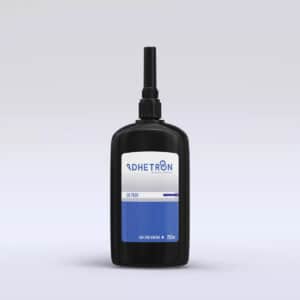
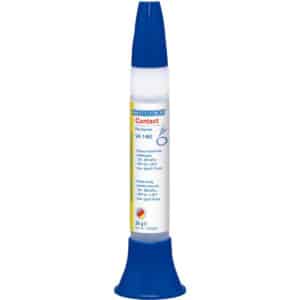
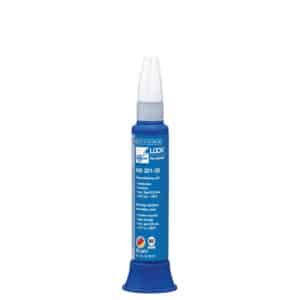
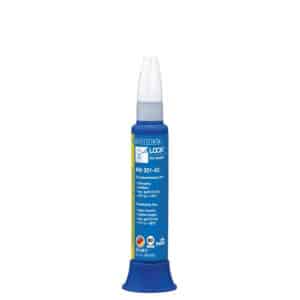
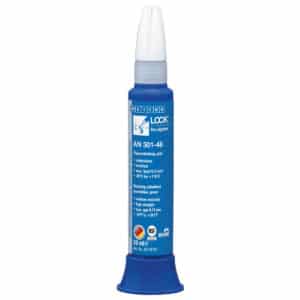
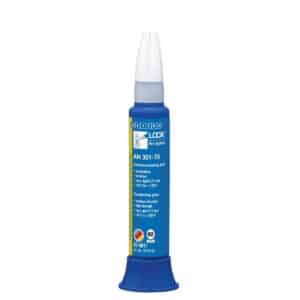
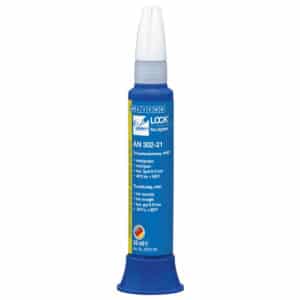
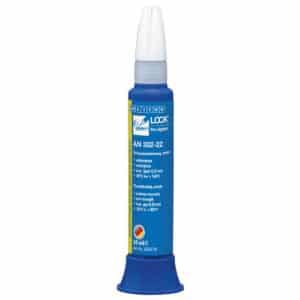
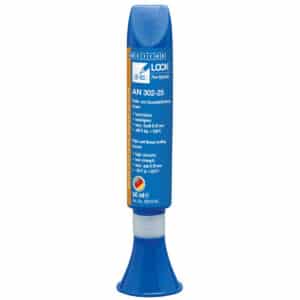
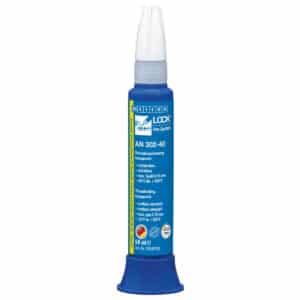
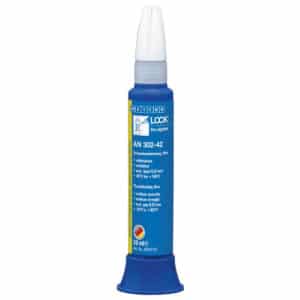
Anaerobic adhesives are specialized industrial adhesives that cure in the absence of air between metal parts. They are widely used for threadlocking, retaining bearings, flange sealing, and pipe thread sealing applications. Questions such as “what are anaerobic adhesives,” “what are anaerobic adhesives used for,” and “which surfaces are they suitable for” are common in both industrial production and maintenance operations.
One of the biggest advantages of this product group is its ability to reduce loosening, vibration-related failure, leakage, and corrosion at the same time. When the right product is selected, it not only strengthens the mechanical connection but also extends equipment life and lowers maintenance costs. For this reason, anaerobic adhesives are used in a wide range of industries, from automotive and machinery manufacturing to maintenance workshops and heavy industry.
In this article, we will cover in detail—but in a simple and user-friendly language—how anaerobic adhesives work, their main types, advantages, key application points, and the most important criteria for product selection.
How Do Anaerobic Adhesives Work?
The working principle of anaerobic adhesives is straightforward: the product remains liquid in the presence of oxygen, but starts curing when trapped between two metal surfaces and isolated from air. This reaction is accelerated by the presence of metal ions. As a result, the adhesive turns into a durable polymer layer that fills the gaps.
Curing Mechanism
Two basic conditions are required for these adhesives to cure: limited contact with air and contact with suitable metal surfaces. In other words, the product can stay liquid when exposed to open air, but once it is confined between screw threads, shaft-hub assemblies, or flange faces, the curing reaction begins. This makes the product highly practical and easy to control during application.
The Effect of Active and Passive Metals
Not all metals support curing at the same speed. Steel, copper, brass, and iron are generally considered “active metals” and help accelerate curing. Stainless steel, galvanized surfaces, anodized aluminum, and coated parts are often classified as “passive metals.” On these surfaces, curing may take longer. In such cases, using an activator or primer can significantly improve process reliability.
What Are the Main Types of Anaerobic Adhesives?
Anaerobic adhesives are not a single universal product; they are divided into several main categories developed for different purposes. Choosing the right product depends on the type of joint, operating temperature, disassembly requirements, and the level of vibration involved.
Threadlockers
Threadlocking anaerobic adhesives are used to prevent bolts and nuts from loosening due to vibration. They are widely used in automotive systems, machinery, pumps, and industrial equipment. Available in low, medium, and high strength grades, they can provide either removable or permanent locking solutions.
- Low strength: Suitable for small fasteners and connections that require frequent maintenance.
- Medium strength: The most common choice for general maintenance and service operations.
- High strength: Preferred for heavy-duty applications where permanent locking is required.
Retaining Compounds and Bearing Mounting Adhesives
These products are used in close-fitting cylindrical assemblies such as shafts, bushings, bearings, and hubs. They fill gaps, improve load distribution, reduce microscopic movement, and help protect against fretting wear. These types of anaerobic adhesives are especially effective in reducing the risk of loosening in bearing housings.
Flange Sealants and Thread Sealants
In flange applications, they can serve as an alternative to conventional gaskets. By filling surface imperfections, they reduce the risk of leakage and simplify assembly. Anaerobic thread sealants used on pipe threads provide reliable sealing for liquid and gas systems. They offer a major advantage, especially in metal threaded connections exposed to pressure and vibration.
What Are the Advantages of Anaerobic Adhesives?
The reason anaerobic adhesives are so widely preferred is not just their bonding capability. They also offer several additional benefits such as easier maintenance, more stable joint performance, and improved production efficiency.
Protection Against Vibration and Loosening
One of the most common problems in mechanical systems is fasteners loosening over time due to vibration. Because anaerobic adhesive fills the gap between the threads, it limits movement. This is especially valuable in systems such as motors, pumps, compressors, and gearboxes where vibration levels are high.
Reduced Risk of Corrosion and Leakage
When moisture, oil, chemicals, or process fluids enter joint gaps, they can cause corrosion and long-term performance loss. Anaerobic products fill these voids and help prevent external contaminants from penetrating the connection. As a result, fasteners last longer and the risk of leakage is reduced.
Improved Efficiency in Production and Maintenance
In some applications, these products can reduce the need for pre-cut gaskets, lock washers, spring washers, or additional locking components. This helps simplify assembly. With the right viscosity and strength selection, anaerobic adhesives can save time in both mass production and field maintenance operations.
| Feature | Benefit Provided |
|---|---|
| Gap filling | Reduces micro-movement and provides a more stable joint |
| Vibration resistance | Lowers the risk of fastener loosening |
| Sealing performance | Reduces oil, gas, and fluid leakage |
| Corrosion protection | Limits moisture and contaminant entry into the joint |
| Maintenance optimization | Helps manage service intervals more effectively |
How to Choose the Right Anaerobic Adhesive
There is no single “best anaerobic adhesive” for every application. Product selection should be based on the type of joint, service conditions, disassembly requirements, and the material of the surfaces involved.
Selecting the Product by Joint Type
The first step is identifying the exact application. Threadlocking, retaining, thread sealing, and flange sealing each require different formulations. A product designed for screws will not deliver the same performance as one developed for bearing retention. That is why the product category must match the intended use exactly.
Balancing Strength and Serviceability
Using a high-strength product on equipment that requires regular maintenance can make service work more difficult. On the other hand, selecting a low-strength product for critical joints may increase the risk of loosening. For this reason, the need for “easy removal,” “service-grade locking,” or “permanent locking” should be clearly defined in advance.
Temperature, Gap Size, and Surface Condition
Some of the most important factors affecting curing speed and final performance are temperature, surface cleanliness, and the gap between the parts. At low temperatures, the reaction may slow down. In wider gaps, standard products may not provide sufficient performance. On oily, dirty, or passive metal surfaces, proper surface preparation and activator use become critical.
If you are working with stainless steel, coated surfaces, or low-temperature conditions, always pay attention to the primer or activator recommendations stated in the product’s technical data sheet. This detail is one of the most common reasons for failed field applications.
Key Points to Consider During Application
The performance of anaerobic adhesives depends not only on product quality but also on proper application discipline. Even small mistakes can extend curing time or reduce final bond strength.
Surface Preparation
If the surfaces contain oil, dirt, metal dust, or old gasket residue, the effectiveness of the adhesive may decrease. That is why parts should be properly cleaned before application. Especially in sealing applications, surface preparation is a major factor in overall performance.
Dosage and Application Area
Using more product does not always lead to better results. In threaded assemblies, applying the adhesive to the correct area is usually sufficient. Too little product may leave gaps, while too much may cause unnecessary overflow. The recommended quantity and assembly time specified in the technical data sheet should always be followed.
Respecting the Curing Time
Many users expect full strength immediately after assembly. However, with anaerobic adhesives, fixture time and full cure time are not the same. In critical load-bearing systems, the equipment should not be put into service until the recommended curing time has fully elapsed.
Conclusion: Why Are Anaerobic Adhesives So Widely Preferred?
Anaerobic adhesives play a vital role in modern industry thanks to their reliable performance in threadlocking, retaining, and sealing applications. Their ability to resist vibration, reduce corrosion risk, limit leakage, and improve maintenance efficiency makes them more than just an adhesive—they are a complete joint security solution.
With the right product choice and the right application method, anaerobic adhesives can extend equipment life and improve operational reliability. If your application involves metal joints, threaded connections, flanges, or bearing fits, anaerobic adhesives are often one of the most practical and effective solutions available.



