Polyurethane Adhesives
Showing all 8 results

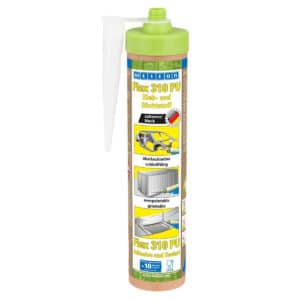
It is not enough for an adhesive to simply hold surfaces together. It must also resist external factors such as temperature changes, moisture, vibration, impact, and load. Polyurethane adhesives provide reliable results in many applications with their special formulations that can meet these expectations. They offer an important advantage especially in systems where different materials are combined, as they can provide high bond strength.
In this article, we will discuss in a detailed yet easy-to-understand way what polyurethane adhesives are, what they are used for, where they are applied, what types they come in, how they should be selected, and what should be considered during application.
What Are Polyurethane Adhesives?
Polyurethane adhesives are adhesive types based on polyurethane chemistry, offering high bonding strength and effective performance on different surfaces. These products can be used successfully on wood, metal, plastic, concrete, ceramic, stone, foam, and some composite materials. Available in one-component or two-component forms, these systems offer different performance features depending on application needs.
Basic Working Principle
These adhesives create a strong bond on the applied surface and provide permanent adhesion. Some polyurethane adhesives cure with ambient moisture, while others harden through the chemical reaction of two components. This structure allows the product to offer different curing times, flexibility levels, and mechanical strength depending on the area of use.
Structural Features
Polyurethane adhesives are known for properties such as high mechanical strength, good chemical resistance, impact resistance, and strong adhesion to different surfaces. In addition, many formulations provide a certain degree of flexibility, allowing them to tolerate movement between bonded surfaces. This offers an important advantage especially in applications exposed to vibration or outdoor conditions.
What Are Polyurethane Adhesives Used For?
The value of an adhesive is measured not only by its initial bonding strength but also by the performance it provides over time. Polyurethane adhesives offer versatile solutions in applications that require both strong adhesion and durability.
Provide Strong and Permanent Bonding
Polyurethane adhesives are an effective option in applications that require durable and long-lasting joining of different materials. They can show strong bonding performance especially on surfaces such as wood, metal, and plastic.
Offer Impact and Vibration Resistance
Some applications require not only a rigid bond but also a connection resistant to vibration and impact. Polyurethane adhesives can offer more balanced performance against such mechanical stresses and help extend bond life.
Provide Protection Against External Effects
Moisture, temperature changes, and some environmental conditions may cause performance loss over time in weak bonding systems. When the right product is selected, polyurethane adhesives can provide a structure that is more resistant to such external effects.
Where Are Polyurethane Adhesives Used?
Polyurethane adhesives are products with a broad range of applications. They are preferred in many sectors, from industrial production to construction applications.
Construction and Building Applications
Polyurethane adhesives are widely used in panel bonding, insulation board installation, wooden element assembly, flooring applications, and various building details. They are especially preferred in areas where high strength and long service life are expected.
Furniture and Wood Industry
Polyurethane adhesives are frequently used for joining wood surfaces, in lamination processes, and in various decorative applications because of their strong adhesion performance. Their ability to adapt to the natural structure of wood is an important advantage.
Automotive and Industrial Manufacturing
Polyurethane adhesives can be preferred in panel assemblies, interior trim parts, insulation elements, and various technical joints. In these areas, vibration resistance and permanent bonding performance are especially important.
- Construction and building systems
- Furniture and wood manufacturing
- Automotive and vehicle equipment
- Panel and insulation applications
- Metal and plastic bonding
- Footwear and textile manufacturing
- General industrial assembly processes
What Types of Polyurethane Adhesives Are There?
Not every product is suitable for every application. For this reason, polyurethane adhesives are divided into different types according to usage method and technical properties.
One-Component Polyurethane Adhesives
These products are ready to use and generally cure with ambient moisture. They offer practical solutions in many areas because they are easy to apply. They can provide advantages especially in field applications and in jobs where saving time is important.
Two-Component Polyurethane Adhesives
These systems are used by mixing two separate components and are generally preferred for more controlled and high-performance applications. Among polyurethane adhesives, two-component systems can stand out especially in industrial production where strong mechanical resistance is required.
Flexible and Structural Systems
Some polyurethane adhesives are developed for more flexible joints, while others prioritize structural strength. The load, movement, and environmental conditions the application will face are decisive in this choice.
| Adhesive Type | Key Feature | Common Application Area |
|---|---|---|
| One-component | Ready-to-use structure | Field and general assembly applications |
| Two-component | High strength | Industrial manufacturing |
| Flexible system | Movement tolerance | Vibration-prone surfaces |
| Structural system | Strong permanent bond | Load-bearing applications |
How to Choose the Right Polyurethane Adhesive
The right product choice directly affects the success of the application. The same polyurethane adhesives may not be suitable for every surface, environment, and production process.
Determine the Surface Type
Whether the material to be bonded is wood, metal, plastic, concrete, or composite is of great importance in the selection process. Since each material has different surface energy and adhesion characteristics, selecting the appropriate product provides more reliable results.
Evaluate Environmental Conditions
It must be considered whether the application will be carried out indoors or outdoors and whether it will be exposed to moisture, temperature, or chemicals. Environmental conditions are among the decisive factors when choosing between polyurethane adhesives.
Determine Flexibility and Strength Requirements
Some applications require high rigidity and load-bearing capacity, while others require greater flexibility. Therefore, the product’s technical data, curing structure, and intended use should all be evaluated together.
What Should Be Considered During Application?
Even the highest-quality product may not deliver the expected result if applied incorrectly. For this reason, some basic application rules should be considered when using polyurethane adhesives.
Surface Preparation
The surface to be treated must be clean, dry, and free from grease. Dust, dirt, rust, or loose particles can negatively affect adhesion. Surface preparation is critical for achieving a strong bond.
Apply the Correct Amount
Using too little or too much product may reduce performance. Application thickness and spreading method should be adjusted according to the surface type and product recommendations. In technical applications involving polyurethane adhesives, manufacturer instructions should be followed carefully.
Follow the Curing Time
Bonded parts should not be stressed before curing is complete. Early loading or movement can reduce bond strength. Therefore, the waiting period after application must always be considered.
- Clean and dry the surface.
- Prepare the product with the appropriate equipment if necessary.
- Apply the adhesive evenly.
- Join the parts in the correct position.
- Keep the system fixed until curing is complete.
Important note: Polyurethane adhesives deliver high performance, but to achieve the best result, surface compatibility, environmental conditions, and application method should be evaluated together.
Conclusion
Polyurethane adhesives have an important place in modern manufacturing and assembly processes thanks to their strong bonding performance, durability, and versatile usage advantages. Their ability to work well with different surfaces makes them a valuable option for both professional and industrial applications.
When the right product is selected and applied correctly, polyurethane adhesives do more than simply bond two surfaces; they also contribute to the system being long-lasting, reliable, and efficient. In short, for those looking for a strong and permanent bond, polyurethane adhesives are an effective and professional solution.