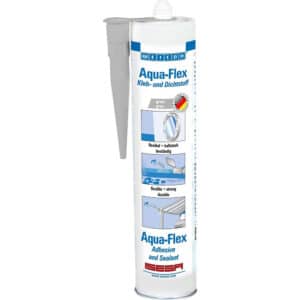
Klebth PUR-1300 Polyurethane-Based Adhesive 310 ml


It is a polyurethane-based industrial adhesive; it helps tolerate vibration and differences in thermal expansion with its elastic bond line. It offers practical application for assembly and sealing on metal, wood, and many building materials.
 Shipping Time 24 Hours : Weekdays 09:00-17:00
- 100% Original: All products with UTM Teknik guarantee


Klebth PUR-1300 Polyurethane-Based Adhesive 310 ml is a polyurethane-based industrial adhesive designed to achieve an elastic bond line and offers practical application in assembly and maintenance work. The polyurethane base focuses on creating a flexible adhesion line that helps tolerate differences in thermal expansion between different materials. Reliable adhesion can be achieved on metal, painted surfaces, wood, and many building materials when proper surface preparation is carried out. The manufacturer is Klebth; country of origin information should be verified batch by batch from the product label and supplier documents.
Klebth PUR-1300 industrial adhesive structure and usage approach
This industrial adhesive offers characteristics suitable for joints that require both bonding and sealing, thanks to its polyurethane polymer structure. The film formed after application can remain flexible in a way that helps reduce cracking under vibration and impact. Since joint geometry and surface preparation are the main factors determining final performance, standardization at the beginning of the process is important. Depending on the application conditions, more repeatable results can be achieved by planning joint thickness and fixing time accordingly.
Performance characteristics and durability approach
In polyurethane systems, strength develops over time depending on curing conditions and joint thickness, so allowing sufficient curing time after application is important. Since environmental parameters such as moisture and temperature can affect curing speed, process conditions should be monitored on the production line. In joints to be used outdoors, sample validation for water exposure and thermal cycles helps support long-term stability. In areas involving chemical exposure, the compatibility of the selected industrial adhesive type with the relevant chemicals should also be evaluated.
Application method and surface preparation
Surfaces should be free of dust, oil, and loose coatings; if necessary, adhesion should be improved through light abrasion and proper cleaning. The adhesive should be applied in a continuous bead using an application gun or directly from the packaging, then the parts should be joined and fixed until initial bonding is achieved. If excess product overflows from the joint edge, cleaning it before full curing improves visual quality and facilitates possible finishing steps. When working with this industrial adhesive, proper ventilation and personal protective equipment rules should be followed.
Industrial applications, compatible surfaces, and advantages
It can be used in metal construction, automotive sub-industry, machinery manufacturing, HVAC installation, and building components where flexible bonding is required. Compatible results can be obtained on aluminum, steel, painted surfaces, wood, and some rigid plastics with proper cleaning. Its ability to help fill gaps and dampen vibration is among the practical advantages that stand out in industrial adhesive selection. When applied correctly, it shortens assembly time and contributes to the long-term stability of the bond line.
Related products