MS Polymer and Silicone-Based Sealants
Showing 1–16 of 25 results
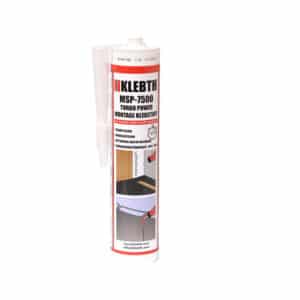
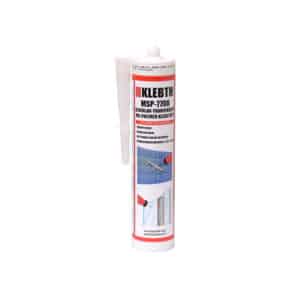
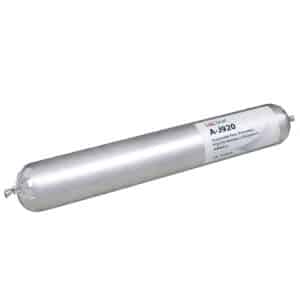
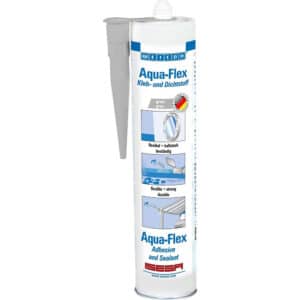
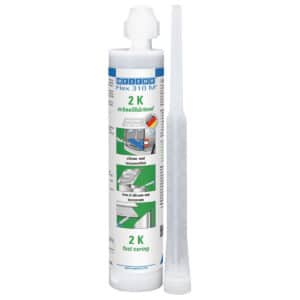
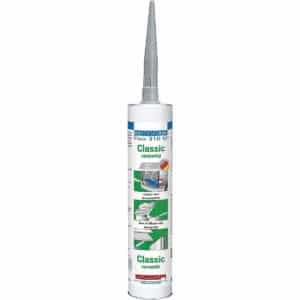
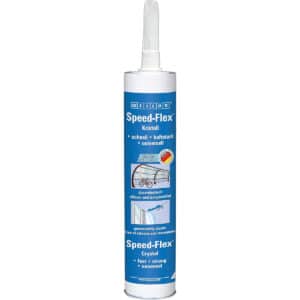
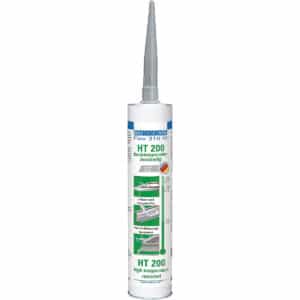
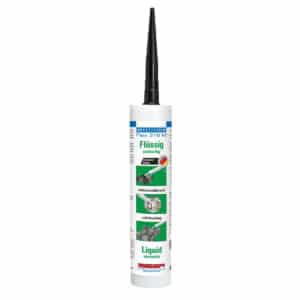
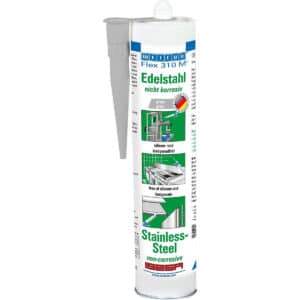
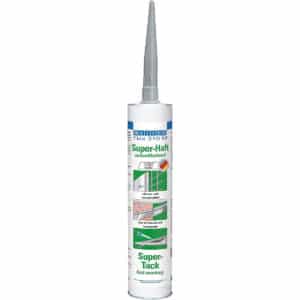
In construction, industry, automotive, and interior applications, sealing solutions are important not only for closing gaps but also for providing long-lasting performance, durability, and an aesthetic appearance. At this point, MS polymer and silicone-based sealants stand out as two main product groups that address different needs. Both systems are used for filling joints, closing gaps, and preventing the passage of water, moisture, or air; however, they differ in terms of technical properties, application areas, and performance advantages.
Many users make product decisions based only on price or brand during the selection process. However, an incorrectly chosen sealing material can lead to problems such as cracking, yellowing, separation from the surface, or insufficient adhesion over time. For this reason, knowing the differences between MS polymer and silicone-based sealants is extremely important for both application quality and long-term satisfaction.
In this article, we will discuss in a detailed yet easy-to-understand way what MS polymer and silicone-based sealants are, where they are used, what the main differences between them are, how they should be selected, and what should be considered during application.
What Are MS Polymer and Silicone-Based Sealants?
MS polymer and silicone-based sealants are high-performance materials used to close gaps, prevent the passage of liquids and air, and in some cases provide flexible bonding. Both product groups offer an elastic structure, but their chemical compositions and usage characteristics are different.
MS Polymer-Based Sealants
MS polymer-based products are modern hybrid systems that combine flexibility with strong adhesion. These products can adhere to many surfaces without primer, may be paintable, and can be preferred for both indoor and outdoor applications. Especially for professionals looking for multi-purpose use, among MS polymer and silicone-based sealants, the MS polymer group offers a highly functional option.
Silicone-Based Sealants
Silicone-based products are especially known for their high flexibility, water resistance, and temperature resistance. They are frequently used in areas such as bathrooms, kitchens, glass joints, and wet spaces. These systems, which have been widely used for many years, can deliver strong performance especially in humid environments. Therefore, when comparing MS polymer and silicone-based sealants, silicone products are generally considered classic and reliable solutions.
Main Differences Between MS Polymer and Silicone-Based Sealants
To choose the right product, it is necessary to know in which ways the two systems differ. This is because not every application has the same performance expectations. The differences between MS polymer and silicone-based sealants directly affect the success of the application.
Paintability and Surface Compatibility
One of the most important advantages of MS polymer-based products is that they are often paintable. This feature provides great convenience in decorative applications and on visible surfaces. In silicone-based products, paintability is generally limited. Therefore, if color harmony with the surface is important, among MS polymer and silicone-based sealants, MS polymer-based solutions may be more advantageous.
Performance in Humid Environments
Silicone-based sealing materials can perform strongly especially in areas continuously exposed to water and moisture. The most common examples are around sinks, shower cabins, glass edges, and bathroom applications. MS polymer products can also be used outdoors; however, when selecting a product for heavily wet environments, technical requirements should be carefully evaluated.
Adhesion Strength and Multi-Purpose Use
MS polymer-based products can often be used not only for sealing but also for bonding purposes. This versatile structure makes them more attractive in assembly and joining applications. Silicone products, on the other hand, are more focused on classic sealing needs. For this reason, when evaluating MS polymer and silicone-based sealants, the usage scenario should be the deciding factor.
| Feature | MS Polymer-Based | Silicone-Based |
|---|---|---|
| Paintability | Usually suitable | Usually not suitable |
| Adhesion strength | High and versatile | Good, but more limited in use |
| Wet area performance | Varies by application | Generally very strong |
| Multi-purpose use | High | More sealing-oriented |
| Decorative compatibility | Advantageous due to paintability | Depends on color selection |
Where Are They Used?
MS polymer and silicone-based sealants are used for different purposes in many sectors. However, the most suitable product is not the same for every application. Knowing the area of use is the first step in making the right choice.
Building and Construction Applications
MS polymer and silicone-based sealants are widely used in façade joints, window edges, door gaps, prefabricated element joints, and interior finishing points. In areas that require painting, MS polymer products stand out, while silicone-based products may be preferred more often in details exposed to water.
Bathrooms, Kitchens, and Wet Areas
Silicone-based products are quite common in shower cabins, sinks, around bathtubs, and countertop joints. The reason is that they can maintain flexibility in highly humid environments and effectively prevent water passage. On the other hand, in some modern projects, among MS polymer and silicone-based sealants, MS polymer solutions may also be considered because of their aesthetics and versatile use.
Industry, Automotive, and Assembly Applications
In systems where metal, glass, plastic, and composite surfaces come together, MS polymer-based products can provide the advantage of strong adhesion. Vehicle interior joints, panel mounting, structures exposed to vibration, and general assembly applications are examples of this group. Therefore, among MS polymer and silicone-based sealants, the MS polymer group may find a broader area of use on the industrial side.
- Window and door joints
- Bathroom and kitchen joints
- Glass and aluminum applications
- Panel and decorative cladding installation
- Metal and plastic surface joints
- Exterior façade sealing details
- Automotive and industrial assembly points
How to Choose the Right Product
When choosing between MS polymer and silicone-based sealants, not only the product name but also the technical need of the application should be considered. Every surface, every environment, and every performance expectation is different.
Determining the Application Environment
The first factor to evaluate is whether the application will be carried out indoors or outdoors. It should also be determined whether the area will be continuously exposed to moisture, UV rays, temperature changes, or mechanical movement. This information makes it easier to choose correctly between MS polymer and silicone-based sealants.
Examining the Surface Type
Not every product performs the same on glass, ceramic, metal, plastic, wood, or painted surfaces. Silicone may be more effective on some surfaces, while MS polymer-based products may be more advantageous in some multi-material applications. Therefore, surface compatibility must always be taken into account.
Aesthetic and Finishing Needs
If painting will be done after application, MS polymer-based solutions may often be more suitable. If water resistance and classic bathroom-kitchen performance are more important than appearance, silicone-based products may be preferred. In other words, the choice between MS polymer and silicone-based sealants depends not only on technical but also on visual expectations.
What Should Be Considered During Application?
Even the right product will not deliver the desired result if applied incorrectly. For this reason, some basic application rules should be followed when using MS polymer and silicone-based sealants.
Surface Preparation
The surface to be treated must be clean, dry, and dust-free. Oil, dirt, soap residue, or loose particles may negatively affect adhesion. For a solid result, surface preparation is always the first step.
Correct Application Thickness
If the sealing line is left too thin or thicker than necessary, performance may decrease. Appropriate joint size and homogeneous application make it possible to use the product’s flexibility and durability more effectively. Joint geometry is especially important in elastic products such as MS polymer and silicone-based sealants.
Paying Attention to the Curing Time
After application, the product should not be exposed immediately to water, load, or mechanical stress. Interventions before curing is complete may reduce performance. Therefore, the work should be carried out in accordance with the manufacturer’s recommendations.
- Clean and dry the surface.
- Use masking tape if necessary.
- Apply the product evenly along the joint.
- Smooth the surface with suitable equipment.
- Protect the line until the curing time is complete.
Important note: Although MS polymer and silicone-based sealants may look similar, not every product is suitable for every surface and environment. Technical requirements should always be evaluated before application.
Conclusion
MS polymer and silicone-based sealants are two strong product groups that meet different needs. While silicone-based products stand out especially in wet areas and classic sealing applications, MS polymer-based products attract attention with their paintability, multi-purpose use, and strong adhesion properties.
When the right choice is made, both systems can provide long-lasting, reliable, and aesthetic results. Therefore, when deciding between MS polymer and silicone-based sealants, surface type, environmental conditions, paintability needs, and intended use should all be evaluated together. In short, the key to a successful sealing application is not only a good product but the right product choice.