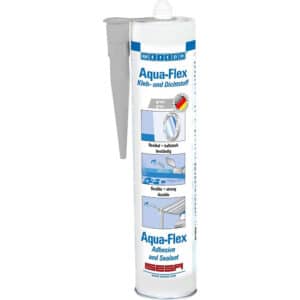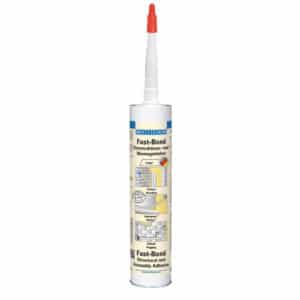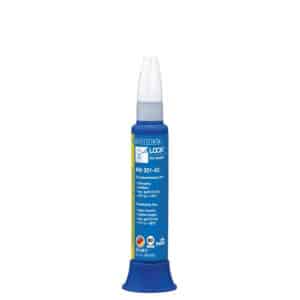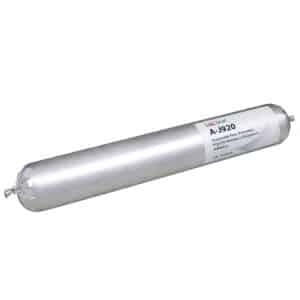


It is a solvent-free, neutral-curing silicone sealant; it helps accommodate movement by forming a flexible sealing line in grey joints. It provides clean application and long-lasting elasticity for interior and exterior joints on glass, ceramic, and metal surfaces.
 Shipping Time 24 Hours : Weekdays 09:00-17:00
- 100% Original: All products with UTM Teknik guarantee


Klebth SN-200 Solvent-Free Neutral Silicone Sealant 310 ml Grey is a solvent-free, neutral-curing silicone sealant intended for sealing and flexible filling in grey joints. The neutral-curing approach is chosen to help reduce the risk of corrosion on certain metal surfaces while also supporting a low-odor application experience. Its elastic silicone structure is designed to accommodate joint movement and tolerate differences in expansion between surfaces. The manufacturer is Klebth; country of origin information should be verified batch by batch from the product label and supplier documents.
SN-200 silicone sealant structure and neutral-curing logic
This silicone sealant works on the principle of curing with moisture in single-component applications to form a flexible sealing line. The solvent-free formula can provide advantages in processes that aim for clean application and a controllable bead structure. The colored option helps achieve aesthetic harmony and easier control of the final appearance in visible joints. Homogeneous adhesion can be achieved on surfaces such as glass, ceramic, and metal when proper surface preparation is carried out.
Performance characteristics and durability approach
A key advantage of silicone systems is their ability to retain flexibility for a long time, helping reduce the risk of cracking in moving joints. Since the continuity of the sealing line is critical in areas exposed to moisture and general weather conditions, the bead geometry should be selected correctly. If there is oil or a loose paint layer on the surface, adhesion may decrease, so the cleaning procedure should be standardized before application. In environments where chemical cleaning agents are used intensively, compatibility testing under real operating conditions helps support long-term performance.
Application method and surface preparation
Joint edges should be cleaned of dust, masking tape should be used if necessary to achieve a neat line, and surfaces should be dry. After applying a continuous bead with a cartridge gun, the sealant should be pressed into the joint and tooled with a spatula or suitable applicator to smooth the surface. The masking tape should be removed while the sealant is still fresh; this helps reduce the risk of tearing and contamination at the edges. Avoiding water exposure before curing is complete and ensuring good ventilation improve process reliability.
Areas of use, compatible surfaces, and advantages
It can be used in many areas such as window and facade details, bathrooms and wet areas, HVAC duct penetrations, and panel and cabinet sealing. It can be applied on glass, aluminum, ceramic, painted metal, and some plastics with proper surface preparation. Neutral curing and the solvent-free approach are among the practical advantages that stand out when selecting a silicone sealant. Its flexible joint structure helps the sealing line remain stable in connections exposed to vibration and expansion effects.