Silicones & Thermal Products
Showing all 7 results
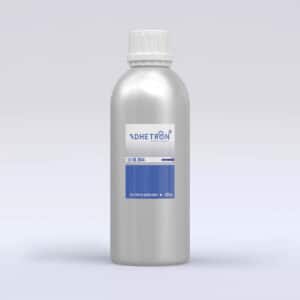
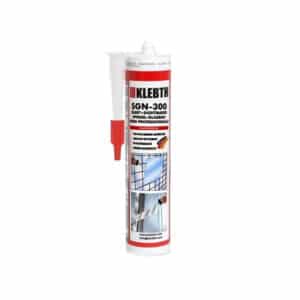
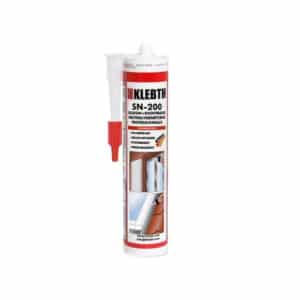
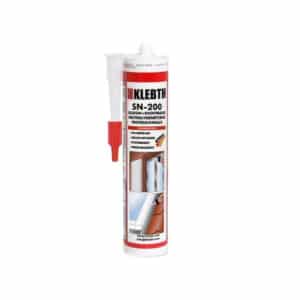
Today, devices are becoming more compact, more powerful, and more densely designed, which has made heat management more important than ever. At the same time, the need for protection against external factors and long-lasting sealing has also increased. At this point, silicone & thermal products offer both protective and performance-enhancing solutions, making them indispensable product groups in many industries.
In this article, we will discuss in a detailed yet easy-to-understand way what silicone & thermal products are, what they are used for, where they are applied, what types they come in, how they should be selected, and what should be considered during application.
What Are Silicone & Thermal Products?
Silicone & thermal products are special materials that offer properties such as high temperature resistance, flexibility, heat conductivity, or thermal insulation. These products are sometimes used for sealing and protection, and sometimes for transferring or distributing heat in a controlled manner. They play especially important roles in electronic systems, engine compartments, LED applications, and industrial equipment.
Silicone-Based Products
Silicone-based solutions are generally known for their high temperature resistance, flexibility, UV resistance, and long-lasting performance. They are preferred in applications such as joint filling, gasket formation, bonding, and surface protection. Within the category of silicone & thermal products, the silicone group stands out especially in terms of sealing and environmental protection.
Thermal Products
Thermal products are materials developed for heat management purposes. Thermal paste, thermal pads, thermal silicone, thermally conductive adhesives, and similar solutions fall into this group. The main purpose of these products is to reduce air gaps between surfaces and allow heat to be transferred more efficiently. For this reason, silicone & thermal products are especially important in electronic and electrical systems.
What Are Silicone & Thermal Products Used For?
The value of a material is measured not only by its ability to fill a physical gap but also by its contribution to the overall performance of the system. Silicone & thermal products provide versatile benefits in terms of protection, efficiency, and durability.
Provide Sealing and Protection
Silicone-based products offer effective solutions for preventing the passage of water, dust, moisture, and air. Some products can also provide vibration absorption and outdoor resistance. In this respect, silicone & thermal products are not just auxiliary materials but important elements that enhance system safety.
Improve Heat Management
Heat that builds up in electronic components can cause performance drops and shorten the lifespan of parts. Thermal products help prevent this issue by transferring heat more effectively from the component to the heatsink or contact surface. Therefore, silicone & thermal products play a critical role in efficient and safe operation.
Extend System Lifespan
Excessive heat, moisture, and environmental factors can cause premature failures in many systems. When used correctly, silicone & thermal products can support more stable operation of components and offer the advantage of longer service life.
Where Are Silicone & Thermal Products Used?
Silicone & thermal products have a very broad range of applications. They are formulated and applied to meet different needs across different industries.
Electronic and Electrical Systems
Silicone & thermal products are widely used in processors, power supplies, LED modules, inverter systems, drivers, and various circuit boards. While products such as thermal paste and pads support heat transfer, silicone-based materials can provide protection against external factors.
Automotive and Industry
Silicone & thermal products play an important role in areas such as around engines, sensor connections, lighting systems, electronic control units, and various gasket applications. High temperature resistance and vibration durability provide major advantages in these fields.
Construction and General Industrial Applications
Silicone-based solutions stand out in glass joints, expansion joints, HVAC systems, industrial equipment enclosures, and various assembly details. In special systems where heat management is important, thermal products can provide additional performance advantages.
- Electronic board and component applications
- LED lighting systems
- Automotive engine and control systems
- Glass and construction joints
- HVAC and ventilation equipment
- Industrial machine enclosures
- Power electronics and cooling systems
What Types of Silicone & Thermal Products Are There?
Not every product is suitable for every application. For this reason, silicone & thermal products are divided into different categories according to their intended use.
Silicone Sealants and Sealing Products
These products are generally used for gap filling, joint sealing, and protection against water. They can offer high flexibility, UV resistance, and temperature resistance. They are very common in construction, automotive, and general industry.
Thermal Paste and Thermal Pads
These are products that improve heat transfer by filling microscopic gaps between two contact surfaces. They are especially preferred in electronic components and cooling systems. Within silicone & thermal products, this group is one of the most critical elements of heat management.
Thermally Conductive Adhesives and Special Thermal Materials
In some applications, there is a need not only for heat transfer but also for bonding. These types of products can provide both mechanical adhesion and thermal performance. They are especially advantageous in compact devices and special assembly lines.
| Product Type | Key Feature | Common Application Area |
|---|---|---|
| Silicone sealant | Flexibility and sealing | Construction, glass, joint applications |
| Thermal paste | Improves heat transfer | Processor and electronic cooling |
| Thermal pad | Easy application and contact filling | LEDs, power electronics, modules |
| Thermally conductive adhesive | Bonding and thermal performance | Electronic assembly systems |
How to Choose the Right Silicone & Thermal Products
Choosing the right product directly affects the efficiency and durability of the application. For this reason, several basic criteria should always be evaluated when selecting among silicone & thermal products.
Determine the Application Purpose
First, it should be clearly determined whether the product is expected to provide sealing, bonding, heat transfer, or protection. This is important because each product group responds to a different need. This step is highly important in preventing the use of the wrong product.
Evaluate Temperature and Environmental Conditions
The temperature range, humidity level, exposure to outdoor conditions, and mechanical stress that the application will face must all be taken into account. Especially in systems exposed to high heat, the choice of silicone & thermal products should be made according to technical requirements.
Surface Compatibility and Ease of Application
It is important that the product is compatible with metal, plastic, glass, ceramic, or electronic surfaces. In addition, the application method, curing time, and maintenance convenience should also be considered during the selection process. The right product should not only perform well but also make the application process more efficient.
What Should Be Considered During Application?
Even the highest-quality material may not deliver the expected result if applied incorrectly. For this reason, some basic rules should be followed when using silicone & thermal products.
Surface Cleaning
The surface to be treated must be free of dust, oil, moisture, and dirt. Especially in thermal products, dirt remaining on the surface can negatively affect heat transfer. In silicone products, dirty surfaces can reduce adhesion and sealing performance.
Applying the Correct Amount
Using too much or too little product may reduce performance. For example, applying too much thermal paste may reduce heat transfer instead of improving it. Similarly, applying silicone material with the wrong joint thickness may cause cracking or weak performance.
Following Curing and Working Time
Silicone-based products have curing times, while thermal products have working rules that should be followed before and after assembly. Therefore, acting in accordance with the manufacturer’s recommendations directly affects the performance of silicone & thermal products.
- Clean and dry the surface.
- Select the product suitable for the application area.
- Apply the product in the recommended amount and manner.
- If necessary, smooth the surface or fix the parts in place.
- Do not stress the system until curing and assembly are complete.
Important note: Although silicone & thermal products may appear similar as auxiliary materials, each serves a different technical purpose. For the best result, product selection should be based on application needs.
Conclusion
Silicone & thermal products are of great importance in modern manufacturing and assembly processes in terms of both protection and performance. While silicone-based solutions provide sealing, flexibility, and environmental resistance, thermal products improve heat management and increase system safety and efficiency.
When the right product is selected and applied properly, silicone & thermal products extend system life, reduce the risk of failure, and contribute to more reliable results. In short, for applications that require both sealing and heat control, silicone & thermal products provide effective, versatile, and professional solutions.