Thermal Adhesives
Showing all 2 results
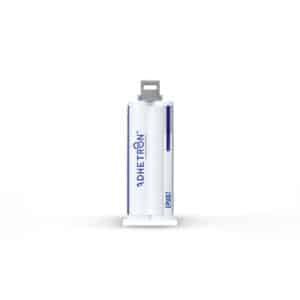
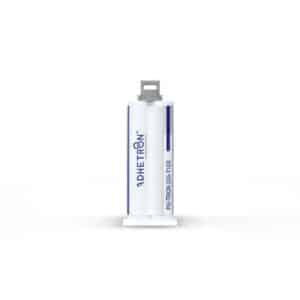
Unlike conventional adhesives, thermal adhesives contain special filler materials capable of transferring heat between surfaces. As a result, they play an effective role in reducing heat buildup, especially between processors, power transistors, heatsinks, and metal surfaces. If you are looking for both strong bonding and effective thermal management in electronic systems, thermal adhesives are an extremely important solution.
What Is a Thermal Adhesive?
Thermal adhesives are specially formulated adhesives that provide a permanent bond between two components or surfaces while also helping transfer heat from one point to another. These products are generally epoxy-, silicone-, or acrylic-based and are enhanced with ceramic, metal oxide, or similar filler materials to improve thermal conductivity.
How Does It Work?
In many electronic systems, microscopic gaps form between the component and the heatsink surface. When these gaps are filled with air, heat transfer weakens. Thermal adhesives fill these gaps, providing both mechanical fixation and more efficient heat transfer. This helps reduce the risk of overheating and allows the device to perform more consistently.
Why Is It a Special Product?
Standard adhesives usually provide a good mechanical bond, but they are not sufficient in terms of thermal conductivity. This is exactly where thermal adhesives come into play. Their main difference is that they combine bonding strength and thermal performance within the same structure. This makes them indispensable, especially in electronics and applications that require thermal management.
Advantages of Thermal Adhesives
A properly selected thermal adhesive can extend system life, reduce thermal stress, and improve device performance. It offers a major advantage especially in compact designs and in situations where screws, clips, or additional fastening elements cannot be used.
Supports Heat Transfer
The most important advantage of thermal adhesives is that they support heat transfer from heat-generating components to the heatsink or metal surface. This can help reduce heat buildup within the system. This feature is particularly critical in LED modules, processor environments, driver circuits, and power electronics.
Provides Mechanical Bonding and Space Savings
Thermal adhesives are used not only for thermal management but also for fixing components in place. This can reduce the need for screws, clips, or additional mounting parts. As a result, cleaner, lighter, and more compact designs can be achieved. This is a major advantage, especially in small electronic devices.
- Improves heat transfer
- Fixes and bonds components
- Contributes to compact design
- Reduces additional mounting equipment
- Increases system reliability
- Helps reduce the risk of overheating
Where Are Thermal Adhesives Used?
Thermal adhesives are preferred especially in applications where heat must be managed efficiently. Their range of use is broad, and the product type may vary depending on the requirements of the application.
Electronics and Power Components
In the electronics sector, thermal adhesives are used to secure processors, power transistors, regulators, MOSFETs, power modules, and heat-emitting components on circuit boards. They also help bond these components more effectively to heatsinks. This use is especially important in high-performance and continuously operating systems.
LED Lighting Systems
Although LEDs are energy-efficient products, they still generate a certain amount of heat during operation. Proper dissipation of this heat is important for light quality and product lifespan. Thermal adhesives form a strong bond between LED modules and aluminum housings or heatsink surfaces while also supporting heat distribution.
Automotive and Industrial Applications
Thermal adhesives provide reliable solutions in automotive electronics, battery systems, sensor units, control boards, and industrial machinery. Under vibration, temperature changes, and long operating conditions, they can offer both durable bonding and thermal balance advantages.
| Application Area | Main Need | Benefits Provided |
|---|---|---|
| Electronic circuits | Heat transfer and fixation | Safer and more stable operation |
| LED systems | Heat dissipation | Longer life and performance support |
| Automotive electronics | Durability and thermal control | More stable use in harsh conditions |
| Industrial equipment | Thermal management | Helps reduce the risk of failure |
How to Choose the Right Thermal Adhesive?
When selecting a thermal adhesive, focusing only on bonding strength is not enough. The product’s thermal conductivity, application type, surface compatibility, and operating conditions should also be evaluated together.
Pay Attention to Thermal Conductivity Value
Not every thermal adhesive conducts heat at the same level. Therefore, the product’s thermal conductivity value should be examined according to its intended use. Products offering better thermal performance should be preferred for components that generate high heat. However, not only high conductivity but also ease of application and durability are important.
Decide Whether It Should Be Permanent or Removable
Some thermal adhesives create a permanent bond. This is advantageous especially in fixed installations that do not require maintenance. However, if future removal, part replacement, or servicing may be necessary, the product should be selected accordingly. In some applications, thermal paste, thermal pads, or semi-permanent solutions may be more suitable.
- How much heat does the application generate?
- Are the surfaces metal, ceramic, or electronic components?
- Is permanent bonding required?
- Will it be used in a vibrating or harsh environment?
- Is the application area narrow or wide?
- Is fast curing or production line compatibility necessary?
Common Mistakes in Application
The performance of thermal adhesives is directly related not only to product quality but also to proper application. Even small mistakes can weaken heat transfer or reduce mechanical strength.
Using Too Much Product
Applying too much thermal adhesive does not always produce better results. In some cases, an excessively thick layer can negatively affect heat transfer. For this reason, it is important to apply the amount recommended by the manufacturer in a smooth and even manner.
Neglecting Surface Cleaning
Oil, dust, oxidation, or dirty surfaces weaken both adhesion and thermal contact. Surfaces must be clean and dry before application. This step is one of the fundamental factors that directly affect product performance.
Conclusion
Thermal adhesives are critical materials in modern electronic and industrial systems, offering both strong bonding and effective thermal management. They play an important role especially in ensuring the safe operation of heat-generating components, maintaining performance, and extending product lifespan. For this reason, thermal adhesives are not merely an assembly product, but also a technical solution that supports system efficiency.
When the right thermal adhesive is selected, components can operate more stably, the risk of overheating can be reduced, and more compact designs can be achieved. When choosing a product, criteria such as thermal conductivity, application type, surface compatibility, and permanence should be evaluated together. In short, thermal adhesives are a reliable and effective aid in high-performance systems.