

Cable Strippers
Showing 1–16 of 27 results
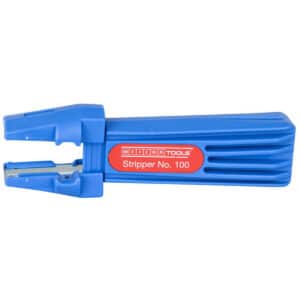
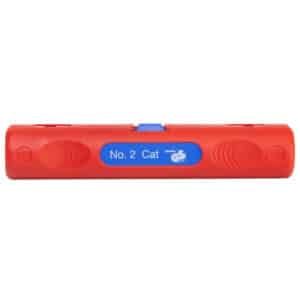
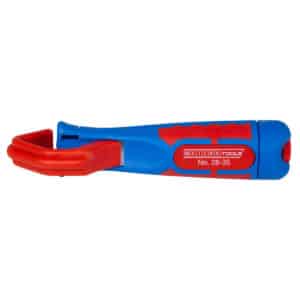
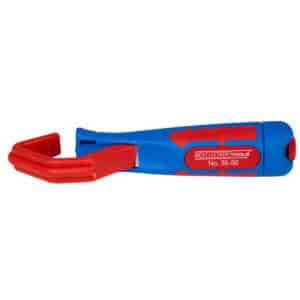
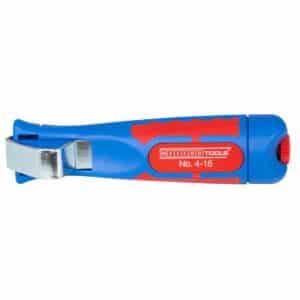
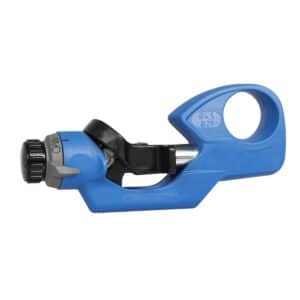
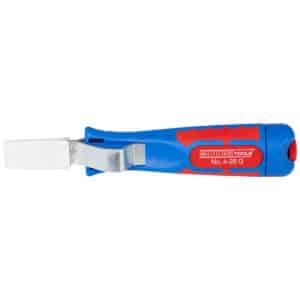
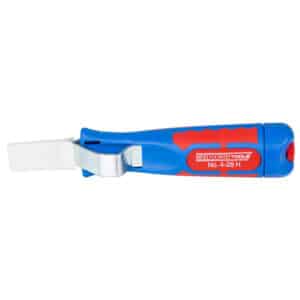
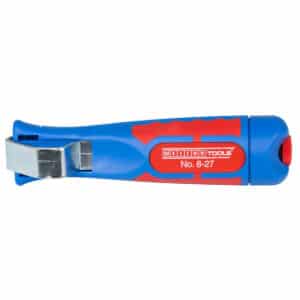
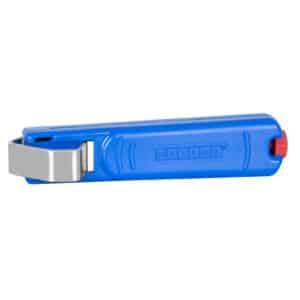
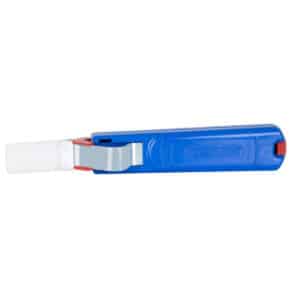
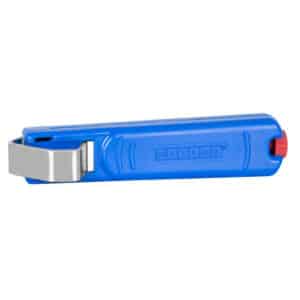
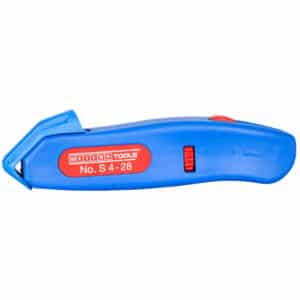
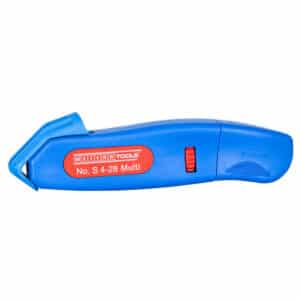
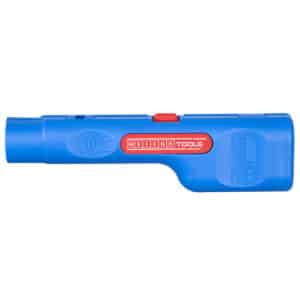
Cable stripping performed with traditional methods can often lead to lost time, uneven results, and safety risks. For this reason, in professional applications cable strippers are considered indispensable tools for achieving standardized and clean workmanship. If you want more controlled, faster, and more reliable results in electrical connections, you need to have the right knowledge about cable strippers.
What Is a Cable Stripper?
Cable strippers are hand tools or specialized application equipment designed to remove the outer insulation or protective sheath of a cable without damaging the conductive core. These products can be designed for different cable types, diameters, and insulation thicknesses. The goal is to prepare the cable for connection while ensuring both speed and precision.
How Does It Work?
Cable strippers grip the outer covering in a controlled way using a specific pressure and cutting mechanism, then separate the insulation layer from the conductor. Some models have adjustable blade depth, while some automatic models detect cable diameter for more practical use. This allows the stripping process to be carried out more neatly and reduces the risk of crushing, cutting, or breaking the conductor.
Why Is It Important?
Properly prepared cable ends directly affect contact quality in electrical connections. Incorrect stripping can cause weak connections, loss of contact, overheating, and a higher risk of failure. For this reason, cable strippers are not only practical hand tools, but also important parts of safe and professional electrical workmanship.
Advantages of Cable Strippers
Using the right cable stripper helps shorten application time while achieving more organized and reliable results. These advantages become more noticeable especially in professional environments where a high number of connections are made.
Provides Fast and Organized Operation
Cable strippers help remove the outer sheath of the cable quickly and in a controlled way. This provides significant time savings, especially in repetitive work. Problems such as uneven cuts, excessive stripping, or conductor damage, which may occur with manual work or unsuitable equipment, can be greatly reduced with these tools.
Protects the Conductor and Supports Safety
A quality cable stripper is designed to target only the insulation layer, helping prevent damage to the copper or aluminum conductor. This both ensures more reliable connections and helps preserve long-term electrical performance.
Main advantages:
- Faster cable preparation
- Cleaner and more controlled stripping
- Protection of the conductor
- Improved connection quality
- Support for workplace safety
- More standardized application results
Where Are Cable Strippers Used?
Cable strippers are frequently used not only by electricians, but also by maintenance personnel, automation technicians, panel assembly teams, and professionals working in electronics. Their wide range of use makes them essential equipment in many sectors.
Electrical Installation and Panel Applications
Preparing cable ends properly is very important in electrical installations. Cable strippers are widely used in distribution panels, fuse boxes, control panels, and switchgear systems for fast and safe preparation.
Automation and Electronic Systems
In systems where thin cables, signal lines, and control connections are used, precise stripping becomes even more important. Cable strippers help ensure safer work, especially on sensor cables, data connections, and delicate conductors.
Maintenance, Repair, and Field Service
Portable and practical tools provide major advantages for field teams. Cable strippers offer quick intervention in processes such as cable replacement, troubleshooting, and preparation of new connections. This makes service operations more efficient.
| Application Area | Main Need | Benefits Provided |
|---|---|---|
| Electrical installation | Safe cable preparation | Stronger connections |
| Panel assembly | Fast and organized work | Standard application quality |
| Electronic systems | Precise stripping | Protection of fine conductors |
| Maintenance and service | Practical intervention | Time savings |
How to Choose the Right Cable Stripper?
When choosing a cable stripper, making a decision based only on price is not enough. Criteria such as the type of cable to be used, cable diameter, work intensity, and required precision should be evaluated together.
Determine Cable Type and Diameter Range
Not every cable stripper is suitable for every cable. Different designs may be required for round cables, flat cables, thin signal cables, or thicker power cables. For this reason, the model should be selected according to the outer diameter and insulation structure of the cable.
Decide Whether to Prefer Manual or Automatic
Manual cable strippers may be sufficient for low-volume and basic work. However, for frequently repeated operations, self-adjusting or automatic models can provide faster and more comfortable results. In areas where intensive use is required, ergonomics and processing speed are important selection criteria.
Consider these points when making your selection:
- What cable types will it be used on?
- What are the cable diameter and insulation thickness?
- Is precise work required?
- How high is the daily usage intensity?
- Would a manual or automatic model be more suitable?
- Are grip comfort and ergonomics sufficient?
Common Mistakes in Application
Although using a cable stripper may seem simple, incorrect techniques can damage the cable and reduce connection safety. For this reason, correct usage habits are just as important as equipment selection.
Stripping with the Wrong Setting
If settings that do not match the cable diameter are used, the outer insulation may not be removed completely or the conductor may be damaged. Especially in adjustable models, the process should be performed according to the correct measurement.
Using Improper Tools
Using improper equipment such as knives, pliers, or utility blades is risky both in terms of workplace safety and the likelihood of damaging the cable. For professional and safe results, a suitable cable stripper should be preferred.
Conclusion
Cable strippers are important tools that enable faster, safer, and more precise preparation of connections in the electrical and electronics field. When the right model is selected, they protect the conductor, reduce application time, and improve overall workmanship quality. For this reason, they should be regarded not only as auxiliary hand tools, but as one of the core tools of professional applications.
Whether used in maintenance and service work, on production lines, or in panel assembly, cable strippers provide major convenience for the right workflow. Selections made by considering cable type, frequency of use, and precision requirements help achieve more efficient and reliable results. In short, cable strippers are one of the important building blocks of quality electrical connections.