







Elastic Adhesives
Showing all 7 results
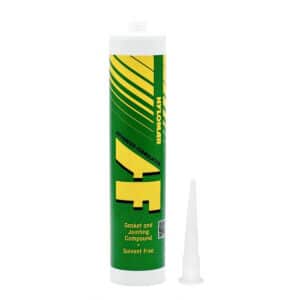
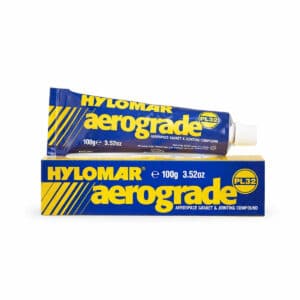
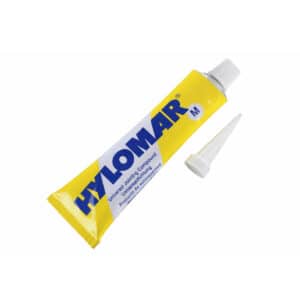
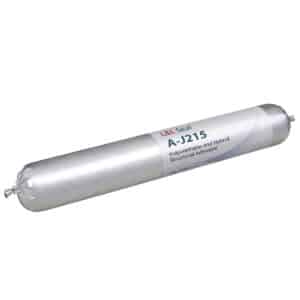
Traditional mechanical joining methods can create stress over time, especially on surfaces with different expansion coefficients. In contrast, elastic adhesives help reduce stress accumulation in the bond line by distributing the load more evenly. This feature extends product life while also offering a cleaner and more invisible assembly advantage in terms of aesthetics.
In this article, we will examine the basic information about elastic adhesives, their areas of use, advantages, selection criteria, and the points that should be considered during application in detail.
What Are Elastic Adhesives?
Elastic adhesives are types of adhesives that retain a certain level of flexibility after curing and can tolerate movement between bonded surfaces. Unlike standard rigid adhesives, they do not create a brittle structure at the bonding point. Instead, they help maintain bond durability by absorbing small movements between surfaces.
Basic Working Principle
The most distinctive feature of these products is that while forming a bond, they also exhibit an elastomer-like behavior. As a result, effects such as temperature changes, vibration, shrinkage, or expansion do not cause sudden failures in the bond line. Especially in systems where different materials are combined, elastic adhesives provide a balanced combination of structural strength and flexibility.
Common Chemical Types
The most common elastic-based systems on the market include polyurethane, silicone, MS polymer, and hybrid technology products. Each system differs in terms of bonding strength, UV resistance, paintability, curing time, and chemical resistance. Therefore, when selecting elastic adhesives, not only price but also the technical requirements of the application should be taken into account.
Advantages of Elastic Adhesives
The best way to understand why a product is preferred is to clearly evaluate the benefits it offers. Elastic adhesives provide many important advantages, especially in applications where long-lasting and reliable bonding is required.
Resistance to Movement and Vibration
Vibration is unavoidable in areas such as machinery, vehicle bodies, façade systems, and metal structures. While rigid adhesives or only screwed connections may loosen over time, elastic adhesives help keep the bond more stable by absorbing part of the vibration energy.
Ability to Bond Different Materials
Combining materials with different characteristics such as glass and aluminum, metal and plastic, or wood and composite often creates technical challenges. This is because each material reacts differently to temperature changes. Elastic adhesives tolerate these different movements and create a safer bond between surfaces.
Aesthetic and Clean Application
Mechanical fasteners often leave visible marks. However, when applied properly, elastic adhesives create a clean line and provide an aesthetic advantage, especially on visible surfaces. For this reason, they are frequently preferred in interior design, decorative panels, and modern façade applications.
Combining Sealing and Bonding
Many products can serve as both an adhesive and a sealant at the same time. This dual function shortens assembly time and reduces material variety. In particular, elastic adhesives stand out in exterior façade, bathroom, kitchen, and automotive applications for this reason.
What Are the Areas of Use?
Elastic adhesives have a very wide range of applications. The following areas summarize the sectors where these products are most commonly used:
- Construction and building systems
- Automotive and vehicle body equipment manufacturing
- Furniture and interior decoration
- Marine and caravan applications
- Industrial machinery assembly
- Glass and façade systems
- HVAC and ventilation equipment
Construction and Architectural Applications
In façade claddings, skirting boards, wall panels, stair details, and prefabricated element assembly, elastic adhesives provide both high adhesion and movement capability. Performance against UV, moisture, and temperature changes is especially important in outdoor conditions.
Automotive and Industry
In vehicles, vibration, road shock, and thermal changes are highly intense. For this reason, elastic adhesives are preferred in body panels, interior trim parts, panel mounting, and some sealing points. Similarly, in machinery manufacturing, they can also contribute to reducing noise and vibration.
| Application Area | Expected Feature | Main Advantage |
|---|---|---|
| Exterior façade | UV and weather resistance | Long-lasting flexible bond |
| Automotive | Vibration absorption | Quieter and more durable assembly |
| Furniture | Clean appearance | Hidden and aesthetic joining |
| Metal-plastic bonding | Tolerating different expansion rates | Reduced risk of cracking |
How to Choose the Right Elastic Adhesive
Due to the wide variety of products on the market, it is necessary to pay attention to several basic criteria during the selection stage. Not every elastic adhesives group offers the same performance. For this reason, application-specific evaluation is required.
Surface Type and Environmental Conditions
First, the surfaces to be bonded should be identified. Porous and non-porous surfaces behave differently. In addition, it is important to know whether the application will be carried out indoors or outdoors and whether it will be exposed to water or chemicals. For example, in areas constantly exposed to sunlight, products with high UV resistance should be preferred.
Balance Between Mechanical Strength and Flexibility
Some applications require very high initial grab, while others prioritize greater flexibility. Therefore, technical values such as elongation at break, hardness level, tensile strength, and service temperature should be examined. The best choice is not simply the hardest or strongest product, but the one that provides the right balance for the specific need.
Paintability and Curing Time
In decorative applications, paintability provides a major advantage. However, not every product is compatible with paint. In addition, in production lines where speed is critical, curing time directly affects efficiency. Therefore, when selecting elastic adhesives, technical datasheet information should be carefully reviewed.
Points to Consider During Application
Even the highest-quality product cannot deliver the expected performance if it is applied incorrectly. When using elastic adhesives, the following points should be considered:
- Surfaces must be clean, dry, and free from grease.
- If necessary, a suitable primer should be used.
- Application thickness should be adjusted according to the manufacturer’s recommendations.
- The bond line should not be stressed during the curing period.
- Temperature and humidity conditions should be controlled.
Surface preparation, in particular, is the most critical step directly affecting final performance. Dust, rust, oil, or moisture residue can significantly reduce bond strength. Therefore, in professional applications, surface cleaning and pre-testing are of great importance.
Important note: An elastic structure does not always mean unlimited movement. The movement capability allowed by the product and the load it can carry must always be checked against technical data.
Conclusion
Elastic adhesives are among the indispensable solutions in today’s multi-material and high-performance applications. Their ability to offer flexibility, bonding strength, vibration resistance, and sealing properties together makes them highly valuable for construction, automotive, and industrial manufacturing.
When the right product is selected and applied properly, elastic adhesives do more than simply join two surfaces; they also improve the safety, aesthetics, and service life of the system. Therefore, when making a product choice, surface structure, environmental conditions, flexibility requirements, and technical performance values should be evaluated together. In short, for those seeking a durable and flexible bond, elastic adhesives are one of the most functional solutions of modern engineering.



