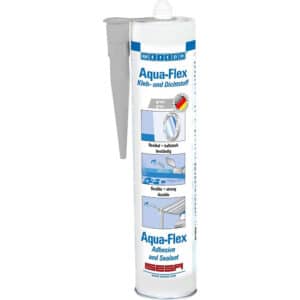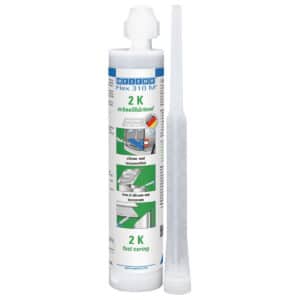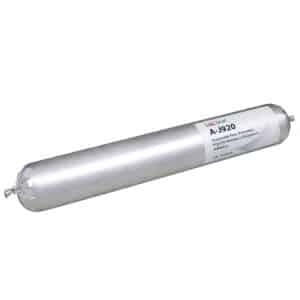
Klebth MSP-7000 MS Polymer Hybrid-Based Isocyanate-Free Adhesive 280 ml


It is an isocyanate-free industrial adhesive based on hybrid MS polymer technology; it helps accommodate vibration and movement by forming an elastic joint. It offers practical application for assembly and sealing on metal, painted sheet metal, wood, and many other surfaces.
 Shipping Time 24 Hours : Weekdays 09:00-17:00
- 100% Original: All products with UTM Teknik guarantee


Klebth MSP-7000 MS Polymer Hybrid-Based Isocyanate-Free Adhesive 280 ml is an isocyanate-free industrial adhesive based on hybrid MS polymer technology and is designed to create a flexible bond line in assembly applications. Its hybrid polymer structure aims to form an elastic joint that helps tolerate expansion differences between different materials. Its one-component application approach increases process speed on site while making bead control easier. The manufacturer is Klebth; country of origin information should be verified batch by batch from the product label and supplier documents.
Klebth MSP-7000 industrial adhesive structure and formulation approach
This industrial adhesive offers application without the need for mixing on site, thanks to the moisture-curing nature of MS polymer. Its isocyanate-free formulation may be preferred in some applications for easier odor management and occupational safety control. The elastic structure formed after curing can support performance in vibrating joints and in assemblies where sealing is expected. Colored variants also provide advantages in visible joints in terms of aesthetic harmony and control of the final appearance.
Performance characteristics and durability approach
Since the curing speed of MS polymer-based products depends on ambient humidity and temperature, waiting times should be planned in serial production or on-site conditions. The elastic bond line helps reduce the risk of cracking under impact and vibration and is intended to accommodate joint movement. If subsequent surface treatments are planned, the compatibility of the bond line with the relevant process should be verified on a small area before application. In areas with intensive chemical exposure, the choice of industrial adhesive should be evaluated according to site-specific exposure conditions.
Application method and surface preparation
Surfaces should be cleaned thoroughly, and dust and oil must be completely removed; on porous substrates, the surface should be strengthened with a primer if necessary. A continuous bead is applied to the joint or bonding line using an application gun, and the parts are aligned and pressed together. Correct joint geometry improves both bonding and sealing performance while reducing unnecessary consumption. In this industrial adhesive application, mechanical load should not be applied before curing is complete, and proper ventilation should be ensured.
Industrial applications, compatible surfaces, and advantages
It can be used in building and construction assembly, metal sheet bonding, panel and cabinet production, automotive interior trim applications, and general industrial maintenance. Compatible results can be obtained with proper cleaning on surfaces such as aluminum, galvanized steel, painted sheet metal, ceramic, some plastics, and wood. Its ability to form an elastic joint and its easy on-site application are among its key advantages as an industrial adhesive. Thanks to its color options, it also helps achieve a more controlled final appearance in visible joints.