







Tools & Dispensing
Showing 49–64 of 76 results
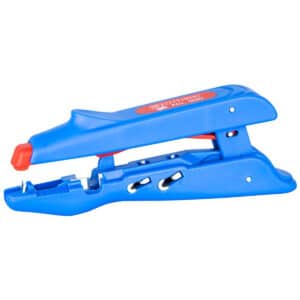
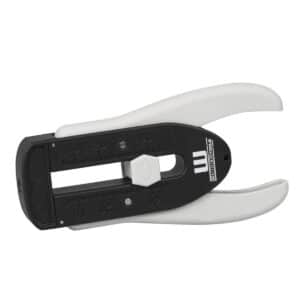
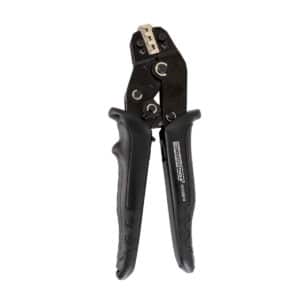
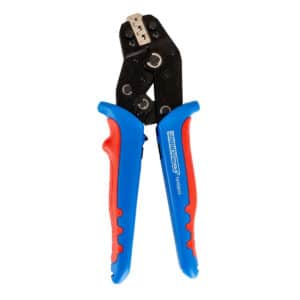

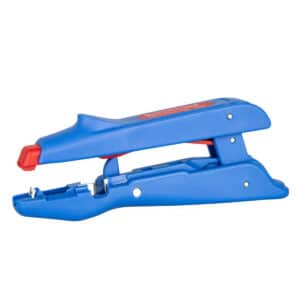
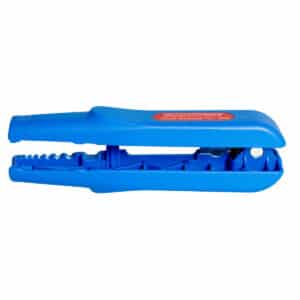
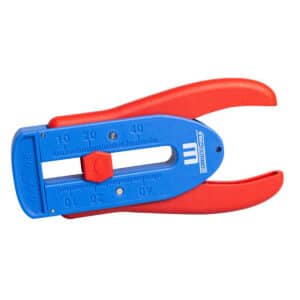
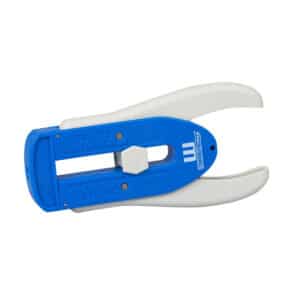
Especially in production lines, maintenance and repair processes, assembly applications, and precision technical work, products must be applied in the right quantity, to the right point, and with the right method. Tools and dispensing systems make this process more controlled, faster, and more efficient. If you want to improve application quality, reduce material waste, and achieve more standardized results, you need to approach this subject in a comprehensive way.
What Are Tools and Dispensing?
Tools and dispensing refer to the equipment, methods, and quantity management process that ensure a product is applied in a controlled manner to a specific surface or component. This may include cartridge guns, pneumatic systems, manual applicators, automatic dispensing pumps, mixer nozzles, and precision measuring equipment. The goal is not only to transfer the material, but also to standardize application quality.
Why Is Dispensing Important?
Dispensing prevents a product from being used in insufficient or excessive amounts. Under-application can lead to problems such as weak bonding, insufficient sealing, or low performance, while overuse results in overflow, contamination, increased costs, and unnecessary waste. For this reason, tools and dispensing processes are directly important for both technical success and cost control.
How Does It Affect Application Quality?
When the right tools and dispensing system are used, the product spreads more evenly on the surface, the application point becomes more controlled, and the risk of operator-related errors decreases. This provides quality standardization, especially in repetitive production processes. As a result, the same product can be applied more consistently at different times and by different operators.
Advantages of Tools and Dispensing Systems
Using the right tools and dispensing equipment not only makes application easier, but also improves production speed, product quality, and operational efficiency. These advantages become even more noticeable in professional applications.
Material Savings and Cost Control
Thanks to controlled dispensing, the product is used only in the amount required. This reduces waste and allows the cost per application to be managed more effectively. This advantage is especially valuable for high-cost adhesives, resins, and technical chemicals.
Speed, Repeatability, and Clean Application
Tools and dispensing systems can shorten application time and create a cleaner workflow. Problems commonly seen in manual applications, such as spreading, uneven bead thickness, or mixing errors, can be greatly reduced with the proper equipment. This saves time and improves the quality of the final product.
Main advantages:
- More controlled product usage
- Reduced material waste
- Faster and more organized application
- Repeatable quality standards
- Reduced operator errors
- Cleaner working environment
What Tools and Dispensing Equipment Are Used?
The need for tools and dispensing depends on the viscosity of the product, packaging type, application area, and production volume. For this reason, one type of equipment may not be suitable for every job. Choosing the right equipment is an important step that directly affects product performance.
Manual and Semi-Automatic Application Tools
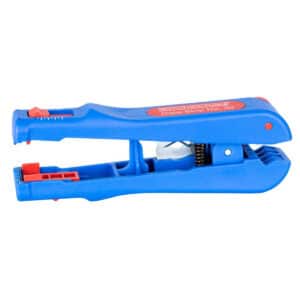
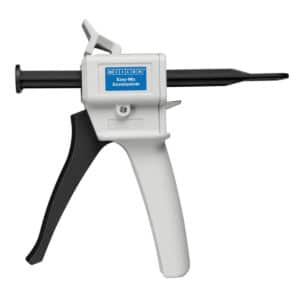
Cartridge guns, syringe-type applicators, handheld dispensers, and mixer nozzles are commonly used in low- and medium-volume applications. This equipment provides advantages especially in maintenance and repair, field applications, and controlled small assembly operations. Ease of use and low initial cost make these tools widely preferred.
Pneumatic and Automatic Dispensing Systems
Where higher precision or mass production is required, pneumatic guns, automatic dispensing pumps, robot-assisted systems, and time-pressure controlled dispensers are preferred. These types of tools and dispensing systems provide more efficient results in production environments where continuous and standardized output is required.
Systems Requiring Mixing
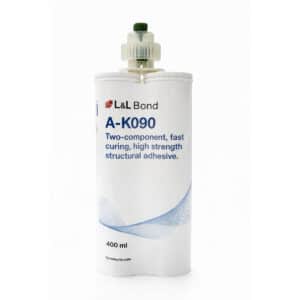
In two-component products, the tools and dispensing process becomes even more critical. This is because not only the quantity, but also the correct mixing ratio, matters. For such products, static mixer nozzles, dual-cartridge systems, and ratio-controlled dispensing equipment are used. An incorrect mixing ratio can seriously reduce final performance.
| Equipment Type | Application Area | Main Advantage |
|---|---|---|
| Manual cartridge gun | Small and medium-scale applications | Easy to use |
| Pneumatic dispenser | More controlled serial application | More consistent dispensing |
| Automatic dispensing system | High-volume production | Standardized and fast application |
| Static mixer nozzles | Two-component products | Supports accurate mixing |
How Is Proper Dispensing Done?
A proper tools and dispensing approach is not limited to simply purchasing equipment. Pre-application preparation, surface conditions, product features, and operator knowledge are also important parts of the process.
Choose Equipment Based on Product Properties
A low-viscosity product and a thick material may not be applied efficiently with the same equipment. For this reason, the product’s flowability, whether it is a one-component or two-component system, working time, and packaging format should be considered. If the right tools and dispensing system are not selected, application quality may decrease.
Standardize the Application Quantity
Instead of each operator using the product by estimation, a standard should be created based on specific weight, bead thickness, drop volume, or application time. Especially in production lines, making tools and dispensing processes measurable provides a major advantage in quality control.
Points to consider for proper dispensing:
- Determine the product viscosity and packaging type.
- Evaluate the size and sensitivity of the application area.
- Select equipment suitable for one-component or two-component systems.
- Define a standard quantity for each application.
- Do not neglect equipment maintenance and cleaning.
- Provide regular operator training.
Common Mistakes in Application
Even small mistakes in tools and dispensing processes can negatively affect both product performance and cost. For this reason, not only equipment selection but also usage discipline is important.
Using the Wrong Equipment
Using a dispenser, gun, or mixer that is not suitable for the product can cause irregular flow, incorrect mixing, excessive product consumption, and a drop in application quality. This mistake becomes even more critical in two-component systems.
Neglecting Maintenance and Cleaning
Uncleaned nozzles, clogged lines, or worn application equipment reduce dispensing accuracy. Regular maintenance of tools and dispensing systems is essential for long-lasting and consistent use.
Conclusion
Tools and dispensing are among the most important application topics that determine the performance of adhesives and technical chemicals. With the right equipment and controlled application, product efficiency increases and cleaner, faster, and more standardized results can be achieved. For this reason, it is necessary to take a professional approach not only to product selection but also to the application method.
Whether manual or fully automated systems are used, when the tools and dispensing process is carefully planned, quality improves, errors decrease, and operating costs are managed more effectively. In short, tools and dispensing are among the invisible but most critical elements of a successful application.



