







Cleaners & Degreasers
Showing 1–16 of 27 results
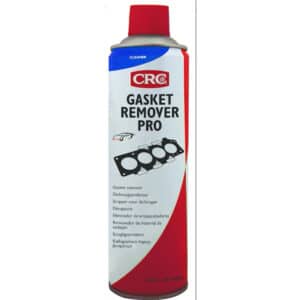
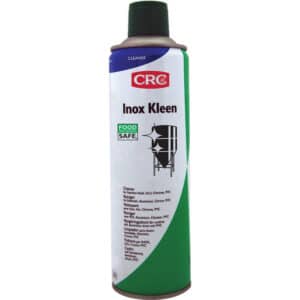
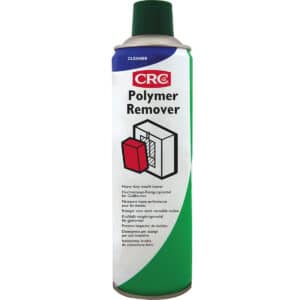
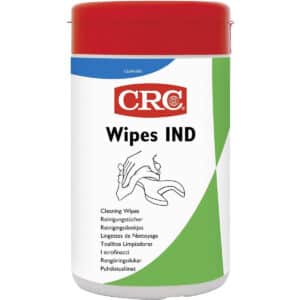
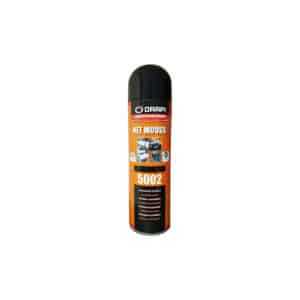
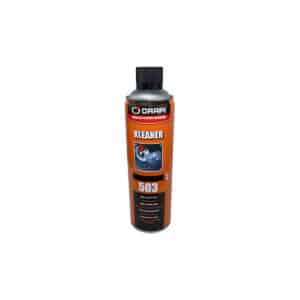
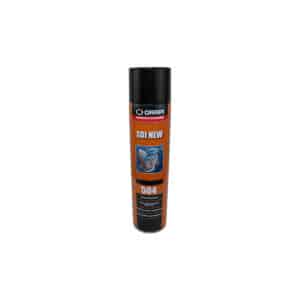
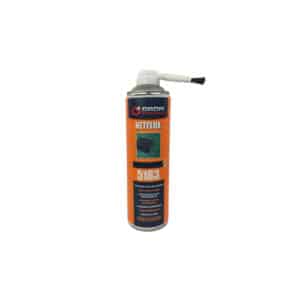
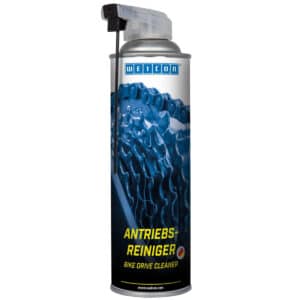
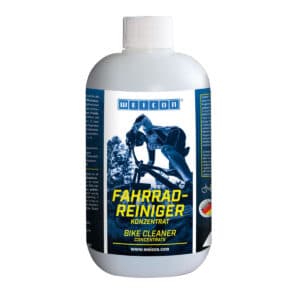
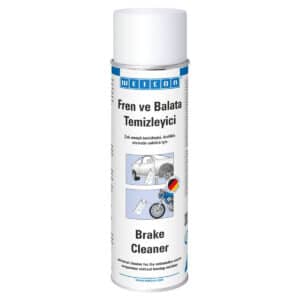
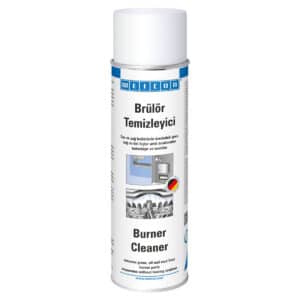
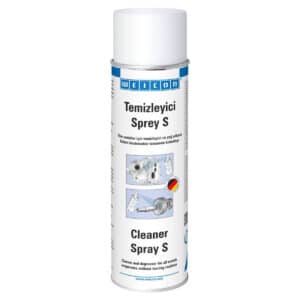
Cleaners and degreasers are effective technical products used to remove oil, dirt, residue, and industrial contaminants accumulated on surfaces. Commonly preferred in industrial maintenance, automotive applications, production facilities, workshop operations, service work, and general technical cleaning processes, cleaners and degreasers help simplify surface preparation, support equipment performance, and contribute to a more organized working environment. For this reason, cleaners and degreasers are not only auxiliary cleaning products but also important parts of efficient maintenance and application processes.
Oily and dirty surfaces can cause serious problems in many technical operations. If the surface is not cleaned properly before bonding, assembly, painting, maintenance, or inspection, it can lead to performance loss, weak adhesion, uneven results, and wasted time. This is where cleaners and degreasers come into play. When the right product is selected, it can effectively dissolve contaminants on the surface, speed up the preparation process, and help achieve more reliable application results. If you want more controlled and more effective results in maintenance and cleaning operations, you need the right knowledge about cleaners and degreasers.
What Are Cleaners and Degreasers?
Cleaners and degreasers are special products developed to remove oil, dirt, grease, dust, and similar residues accumulated on metal, plastic, painted surfaces, machine parts, and various technical equipment. These products may be available in liquid, spray, or thick formulations. Their main purpose is to prepare the surface for application, reduce performance issues caused by contamination, and simplify maintenance processes.
How Do They Work?
Cleaners and degreasers make cleaning easier by chemically dissolving or loosening oily and dirty layers on the surface. Depending on the formula, they may emulsify dirt, break down oil films, or support lifting the contamination from the surface. As a result, the cleaning process becomes faster, more controlled, and more effective. Some products evaporate quickly, while others provide longer contact time and may be more effective on heavy contamination.
Why Are They Important?
Dirty and oily surfaces often create bigger problems in technical operations than they first appear to. Especially in bonding, coating, painting, maintenance, and assembly, surface preparation is critically important. Cleaners and degreasers help bring the surface into the proper condition, which can improve both application quality and process reliability. For this reason, they are considered basic maintenance products in many industries.
Advantages of Cleaners and Degreasers
When used correctly, cleaners and degreasers do more than provide surface cleaning. They also simplify equipment maintenance, improve workmanship quality, and shorten preparation time before a process. These advantages become especially clear in professional applications.
Provide Effective Surface Cleaning
One of the most important advantages of cleaners and degreasers is their ability to effectively remove oily and dirty residues from surfaces. This is especially useful on machine parts, metal surfaces, engine components, and areas prepared for assembly. A clean surface means more reliable applications and a more organized workflow.
Make Maintenance and Application Processes Easier
Operations carried out on clean surfaces progress faster and in a more controlled way. Degreasers and technical cleaners help maintenance teams deal with dirty surfaces in a shorter time. This both saves time and contributes to maintaining process quality.
- Helping dissolve oil and dirt residues
- Preparing the surface for application
- Speeding up maintenance processes
- Providing cleaner and more controlled work
- Supporting surface quality before bonding and assembly
- Helping improve equipment maintenance efficiency
Where Are Cleaners and Degreasers Used?
Cleaners and degreasers have a very wide range of uses. Their field of application may vary depending on the type of contamination, surface structure, and the next process to be performed.
Industrial Maintenance and Machine Cleaning
These products are widely used in production facilities, on machinery, on equipment surfaces, and on mechanical parts to remove accumulated oil and dirt. They play an important role especially in surface preparation before maintenance and in regular cleaning programs.
Automotive and Service Applications
In the automotive sector, cleaners and degreasers are preferred on engine areas, metal parts, mechanical components, and surfaces that require maintenance. Their ability to provide fast and practical application is a major advantage for service teams. This allows maintenance processes to become more efficient.
Assembly, Bonding, and Surface Preparation
On surfaces where adhesives, coatings, or paint will be applied, cleaners and degreasers are critically important. Oil or dirt remaining on the surface can negatively affect application performance. For this reason, they are frequently used in assembly and surface preparation processes.
| Application Area | Main Need | Benefits Provided |
|---|---|---|
| Industrial maintenance | Oil and dirt cleaning | More efficient maintenance operations |
| Automotive services | Part and surface cleaning | Faster service application |
| Pre-assembly preparation | Obtaining a clean surface | More reliable application results |
| Workshop and technical service | Practical technical cleaning | Time savings and organized work |
How to Choose the Right Cleaner and Degreaser?
When selecting a cleaner and degreaser, the product name alone is not enough. Surface type, contamination level, intended use, and operating conditions should all be evaluated together.
Suitability for the Surface Type Matters
Not every cleaner is suitable for every surface. Product behavior may vary on metal, plastic, painted surfaces, sensitive coatings, or electronic components. For this reason, the structure of the surface where the product will be applied must always be considered. Choosing the wrong product may lead to unwanted effects on the surface.
Determine the Type of Contamination and Cleaning Need
The same product may not be sufficient for lightly oily surfaces and for areas with heavy grease buildup. For this reason, the type and intensity of the contamination and the purpose of cleaning should be defined. Whether a fast-evaporating product is required or stronger oil-dissolving performance is needed becomes decisive in product selection.
- On which surface will the product be used?
- Is the contamination oil, grease, or general dirt?
- Is the surface sensitive or painted?
- Will another process be applied after cleaning?
- Is fast evaporation required?
- Will the product be used for regular maintenance or heavy-duty cleaning?
Common Mistakes in Application
Although cleaners and degreasers are effective products, the wrong selection or incorrect use may reduce the expected result. For this reason, both product knowledge and the correct application method are important.
Using the Wrong Product on the Wrong Surface
Not every technical cleaner is suitable for every surface. Using an incompatible product on sensitive plastics, painted surfaces, or specially coated parts may damage the surface or leave unwanted marks. For this reason, surface compatibility must always be checked.
Using More Product Than Necessary
Using more product does not always mean better cleaning. Excessive use can lead to unnecessary consumption, residue on the surface, or extra steps after cleaning. Balanced and controlled application generally provides more efficient results.
Conclusion
Cleaners and degreasers are important technical products for preparing surfaces, removing oil and dirt residues, and helping maintenance processes run more efficiently. When the right product is selected, they support surface cleanliness, improve application quality, and simplify pre-process preparation. For this reason, cleaners and degreasers are among the indispensable product groups of professional maintenance and technical applications.
Whether used in industrial maintenance, automotive service, or assembly and surface preparation, cleaners and degreasers provide high value when chosen correctly. Selections made by considering surface type, contamination intensity, and application purpose help achieve more reliable and more effective results. In short, cleaners and degreasers are among the core products of clean and controlled technical application.



