Assembly Sprays
Showing all 6 results

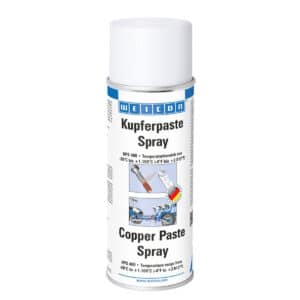
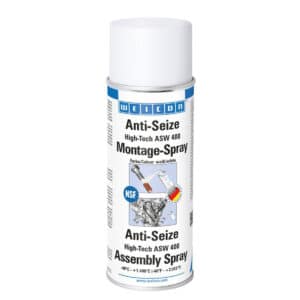
Assembly sprays are practical technical products used to help join, fix, or prepare different parts and surfaces before assembly. Commonly preferred in industrial production, automotive, furniture, construction, upholstery applications, packaging, and general technical service work, assembly sprays offer advantages such as fast application, controlled use, and easier workflow. For this reason, assembly sprays are not only support products, but also important parts of efficient and organized assembly processes.
In traditional application methods, it is not always easy to distribute adhesive evenly across the surface, adjust the right amount, and work cleanly. This is where assembly sprays come into play. Thanks to their spray form, the product can be applied more evenly to the surface, save time, and help ensure a more controlled process during assembly. If you want faster, cleaner, and more practical assembly results, you need the right knowledge about assembly sprays.
What Is an Assembly Spray?
Assembly sprays are aerosol-based technical products developed to help different surfaces adhere to each other or assist in assembly operations. Depending on the product type, they may provide temporary fixing, adhesion support, application convenience, or holding power in certain assembly tasks. Since they offer the advantage of rapid application on large surfaces, they are preferred in many industries.
How Do They Work?
Assembly sprays deliver their active ingredients to the surface in a controlled way through a pressurized aerosol system. Depending on the formula, they may create a thin and even layer on the applied surface. This layer can make it easier to join two parts, provide temporary adhesion, or help position the parts more comfortably during assembly. As a result, the process can become both cleaner and faster.
Why Are They Important?
Irregular product distribution, excessive consumption, surface contamination, and time loss are common issues in assembly work. Assembly sprays help reduce these problems by offering more controlled application. They provide important advantages especially in repetitive processes, large-surface applications, and situations that require fast assembly.
Advantages of Assembly Sprays
Using the right assembly spray helps speed up the application process while contributing to more organized and more controlled results. These products stand out especially in terms of practicality and time savings.
Provides Fast and Even Application
One of the main advantages of assembly sprays is that the product can be applied to the surface more quickly and more evenly. This creates major convenience, especially on large surfaces. Compared with methods that require brushing or manual spreading, they can offer a faster workflow.
Offers Clean Work and Better Control
Assembly sprays help deliver the product more precisely to a specific area. This contributes to reducing issues such as overflow, unnecessary product use, and surface irregularities. Especially in sensitive applications, they provide an important advantage for clean workmanship.
- Fast and practical application
- More even product distribution
- Making the assembly process easier
- Clean and controlled operation
- Helping reduce material waste
- Saving time in repetitive applications
Where Are Assembly Sprays Used?
Assembly sprays have a wide range of uses because they can be applied to different surfaces and materials. Their field of use may vary depending on the product formula and the expected assembly performance.
Furniture, Upholstery, and Covering Applications
Assembly sprays are frequently used on fabrics, foam, leather, felt, thin covering materials, and similar surfaces. They can help keep surfaces fixed properly, especially in upholstery and covering work. Their fast application advantage on wide surfaces provides major convenience in these areas.
Industrial Production and Assembly Lines
In industrial manufacturing, assembly sprays may be preferred in light assembly tasks, surface fixing applications, and operations that require temporary holding. They are especially useful in repetitive production processes by helping provide a more standardized application quality.
Construction, Technical Service, and General Applications
In construction and technical service work, assembly sprays can be used to temporarily position certain parts or provide support during assembly. Thanks to their practical and portable structure, they can also offer advantages in field applications.
| Application Area | Main Need | Benefits Provided |
|---|---|---|
| Upholstery and covering | Fast surface fixing | Smoother and more practical application |
| Industrial assembly | Controlled product application | More standardized assembly quality |
| Technical service | Practical assembly support | Quick intervention and ease of use |
| General applications | Easy surface adhesion | Time savings |
How to Choose the Right Assembly Spray?
When choosing an assembly spray, it is not enough to look only at the product name or package size. The surface to be treated, the purpose of use, the expected level of adhesion, and the operating conditions should all be evaluated together.
Check Surface and Material Compatibility
Not every assembly spray is suitable for every surface. Product behavior may vary on fabric, foam, plastic, metal, wood, or covering materials. For this reason, the types of surfaces to be treated should be clearly defined and the product should be selected accordingly.
Decide Whether the Use Is Temporary or Permanent
Some assembly sprays are preferred for temporary fixing, while others may provide stronger and more permanent adhesion. For this reason, before choosing a product, it should be determined whether the application requires short-term positioning or stronger assembly support. This helps achieve more efficient results and prevents the use of the wrong product.
- On which surfaces will the product be used?
- Is temporary or more permanent adhesion required?
- Will it be applied to a large surface or a sensitive area?
- Is clean workmanship a priority?
- Will the product be used for regular production or field application?
- Will there be a follow-up process on the surface?
Common Mistakes in Application
Although assembly sprays are practical products, improper use can reduce the desired result. For this reason, the correct application technique is just as important as the product itself.
Applying Too Much Product to the Surface
Using more product does not mean stronger results. Excessive application can create surface irregularities, residue, and unnecessary consumption. Balanced and controlled application is always more efficient.
Using the Wrong Product on the Wrong Surface
Choosing an assembly spray that is not suitable for the surface may fail to provide the expected adhesion or may negatively affect surface quality. Product compatibility should be evaluated carefully, especially on sensitive, thin, or coated surfaces.
Conclusion
Assembly sprays are practical technical products that speed up assembly processes, provide controlled product application on surfaces, and allow cleaner work. When the right product is selected, they support workmanship quality, save time, and make the application process more efficient. For this reason, assembly sprays are among the important support products of professional assembly practices in many sectors.
Whether used in industrial production, upholstery and covering work, or technical service applications, assembly sprays provide high value when chosen correctly. Selections made by considering surface type, intended use, and adhesion requirements help achieve more reliable and higher-quality results. In short, assembly sprays are among the indispensable product groups of fast and controlled assembly applications.