







Technical Sprays
Showing 49–64 of 138 results
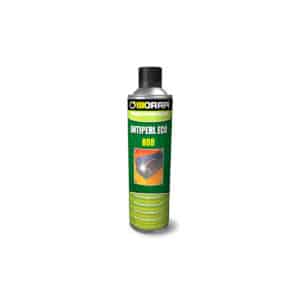
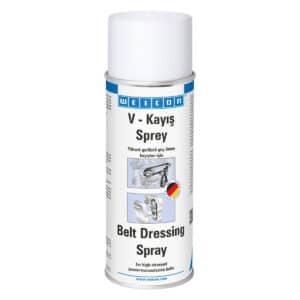
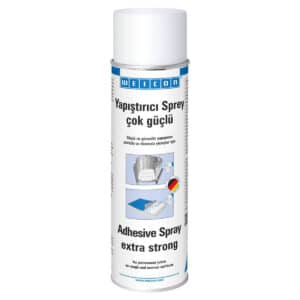

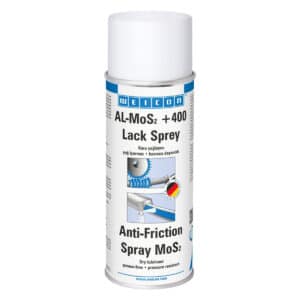
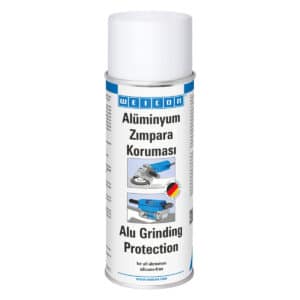
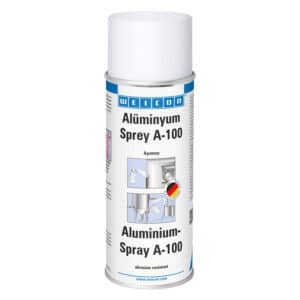
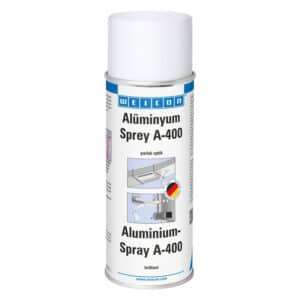
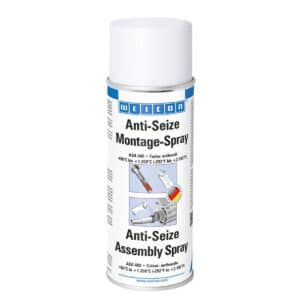
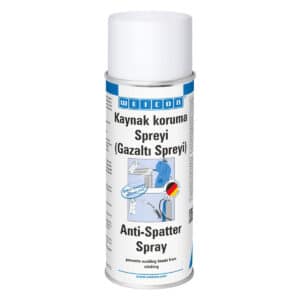
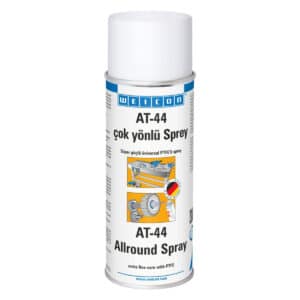
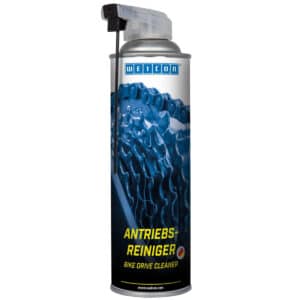
Available in different types such as rust removers, contact cleaners, lubricating sprays, silicone sprays, chain sprays, mold release agents, and protective maintenance products, technical sprays contain special formulations depending on their intended use. When the right product is selected, they help protect surfaces, extend equipment life, and reduce the risk of malfunction. If you want faster, cleaner, and more effective results in maintenance and application processes, you need to have the right knowledge about technical sprays.
What Is a Technical Spray?
Technical sprays are special chemical products developed to meet a specific technical need and applied in aerosol form. These products can perform different functions such as cleaning, lubrication, protection, loosening, moisture removal, surface preparation, or short-term maintenance. Thanks to their spray form, the product reaches the surface more easily and provides practical use even in narrow areas.
How Do They Work?
Technical sprays deliver their active ingredients to the surface in a controlled manner with the help of a pressurized aerosol system. Depending on the product type, they can dissolve dirt on the surface, loosen rusted parts, reduce friction, or create a protective film layer. This structure makes technical sprays especially useful in applications requiring quick intervention.
Why Are They So Widely Preferred?
The main reason technical sprays are so widely used is that they combine ease of application with functionality. Since they can be applied directly without requiring a brush, cloth, or additional equipment, they speed up maintenance and service processes. At the same time, because they allow targeted application, they provide both cleaner and more controlled use.
Advantages of Technical Sprays
Using the right technical spray does more than simplify maintenance processes. It also supports equipment performance and contributes to operational efficiency. These products offer even greater advantages especially in systems that require regular maintenance.
Provides Fast and Practical Application
One of the biggest advantages of technical sprays is that they can be applied directly and quickly. This feature provides serious time savings especially in service, maintenance, and field applications. Their ability to be used easily even in hard-to-reach areas is an important feature that distinguishes them from conventional liquid products.
Offers Protection, Cleaning, and Performance Support
Technical sprays do not only provide an instant solution; they can also help equipment operate more efficiently. Contact cleaners help reduce oxidation and contamination, while lubricating sprays support smoother operation of moving parts. Protective sprays can also help shield surfaces against external effects.
Main advantages:
- Fast and easy application
- Practical use in narrow spaces
- Support for cleaning and maintenance
- Contribution to surface protection
- Support for equipment performance
- Shorter service and maintenance time
Where Are Technical Sprays Used?
Technical sprays can be used in many different industries and applications. Their usage area varies depending on the chemical structure of the product and the problem it is designed to solve.
Electrical and Electronic Applications
In the electrical and electronics field, technical sprays are used for contact cleaning, moisture removal, surface protection, and sensitive component maintenance. Contact sprays in particular help reduce dirt and oxidation at connection points. This is important for more reliable electrical performance.
Industrial Maintenance and Production
In industrial environments, technical sprays are used for tasks such as lubricating machine parts, loosening rusted connections, preparing mold surfaces, and protecting metal surfaces. Because they shorten maintenance time and offer practical application, they are widely preferred in production facilities.
Automotive and General Service Work
In the automotive sector, technical sprays are used in the maintenance of hinges, chains, fasteners, electrical contacts, and moving mechanisms. Likewise, for service teams they are important support products in troubleshooting and preventive maintenance processes.
| Application Area | Main Need | Benefits Provided |
|---|---|---|
| Electrical and electronics | Contact cleaning and protection | More reliable connections |
| Industrial maintenance | Lubrication and loosening | Faster maintenance process |
| Automotive | Maintenance of moving parts | More consistent operating performance |
| Service applications | Practical intervention | Time savings and ease of use |
How to Choose the Right Technical Spray?
When choosing a technical spray, it is not enough to look only at the product name. The surface to be treated, the required function, and the working environment should all be evaluated together.
Clarify the Intended Use
Not every technical spray is suitable for every task. A product developed for cleaning will not provide the same performance as one designed for lubrication or protection. For this reason, the need should first be clearly defined: cleaning, lubrication, rust removal, or protection?
Check Surface Compatibility
The surface on which the technical spray will be applied may be metal, plastic, rubber, an electronic component, or a painted part. Not every product may be compatible with every surface. Especially on sensitive plastics, electronic circuits, or painted areas, surface compatibility must always be taken into account.
Consider these points when making your selection:
- What is the product going to be used for?
- Is the surface metal, plastic, or an electronic component?
- Is cleaning, lubrication, protection, or loosening required?
- Is precise application needed in a narrow area?
- Is fast evaporation or a lasting film layer desired?
- Will it be used for regular maintenance or instant intervention?
Common Mistakes in Application
Although technical sprays are easy-to-use products, wrong selection or incorrect application can reduce the expected performance. For this reason, the product should always be used according to its instructions.
Using the Wrong Product on the Wrong Surface
Not every technical spray is suitable for every surface. An incompatible product may damage the surface or fail to produce the desired effect. This is even more important with electronic components and sensitive plastics.
Applying Too Much Product
Using more spray than necessary does not mean better results. Excessive use may leave residue on the surface, cause unnecessary consumption, or create contamination around the area. Controlled and need-based application is always more efficient.
Conclusion
Technical sprays are versatile products that provide great convenience in maintenance, cleaning, protection, and applications requiring quick intervention. When the right product is selected, they support equipment life, improve workmanship quality, and speed up maintenance processes. For this reason, technical sprays are not just auxiliary products, but important parts of professional maintenance and application processes.
Whether used in the electrical-electronics field, industrial maintenance, or automotive service, technical sprays provide high efficiency when used correctly. Choices made by considering product type, surface compatibility, and application purpose help achieve more reliable and more effective results. In short, technical sprays are among the indispensable product groups for fast and controlled maintenance applications.



