







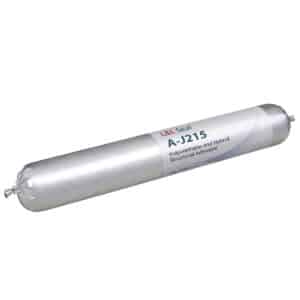
Industrial Adhesives and Technical Spray Use in Aviation
Every material used in the aviation industry plays a critical role in terms of safety, durability, and operational efficiency. For this reason, the use of industrial adhesives and technical sprays in aviation is not merely a detail that simplifies maintenance, but also an important application that supports overall system reliability. Adhesives and technical sprays used in aircraft maintenance, repair, and manufacturing processes provide effective solutions in many areas, including surface preparation, assembly, protection, lubrication, and cleaning.
The protection of lightweight structures, bonding of different materials, reduction of vibration, and safe treatment of sensitive surfaces make these products indispensable in the aviation industry. Choosing the right product not only improves maintenance quality but also provides long-term cost advantages.
Why Are Industrial Adhesives Used in Aviation?
Industrial adhesives used in aviation offer more balanced load distribution, lower weight, and stronger surface compatibility compared to mechanical fastening methods. These products provide significant advantages, especially in aircraft interior trim parts, composite surfaces, metal components, and various technical applications.
Lightweight Structure and Performance Advantage
Reducing weight in aircraft is highly important for fuel efficiency and overall performance. Industrial adhesives help minimize the additional weight created by fastening elements such as rivets and screws. At the same time, they create a more uniform structure at bonding points, reducing stress concentration.
Effective Application on Different Materials
Modern aircraft are manufactured using a combination of aluminum, composites, plastics, elastomers, and various alloys. Industrial adhesives offer effective solutions for securely and permanently bonding these different surfaces. This feature is a major advantage, especially in next-generation lightweight aviation systems.
For What Purposes Are Technical Sprays Used in Aviation?
Technical sprays provide fast, controlled, and safe application in aviation maintenance and manufacturing processes. They are widely used for cleaning, lubrication, protection, rust removal, moisture displacement, and surface preparation, making technical spray use highly practical in aviation applications.
Surface Cleaning and Preparation
Before bonding and assembly processes, the surface must be thoroughly clean. Oil, dirt, dust, and residue can negatively affect bond quality. For this reason, surface-cleaning technical sprays have an important place in aviation applications. Clean and properly prepared surfaces help adhesives deliver maximum performance.
Lubrication and Protection
Technical sprays are also used to reduce wear caused by friction in moving parts. Products that provide controlled lubrication ensure safe use on sensitive mechanical components. In addition, anti-corrosion technical sprays protect surfaces against moisture, oxidation, and environmental factors, helping extend component life.
Choosing the Right Adhesive and Technical Spray in Aviation
When selecting products for use in the aviation industry, not only ease of application but also technical suitability must be considered. The chosen product should be determined according to surface type, temperature resistance, chemical resistance, curing time, and intended use.
Technical Suitability and Reliability
Adhesives and technical sprays used in aviation must meet specific quality standards. For this reason, product technical data sheets, application areas, and performance characteristics should always be carefully reviewed. Using reliable products reduces the risk of errors in maintenance processes and supports operational sustainability.
Efficient and Controlled Application
Time management is essential in maintenance and repair operations. Fast-curing adhesives and technical sprays that provide controlled spraying shorten application time while improving work quality. This not only speeds up maintenance operations but also minimizes human error.
Advantages of Using Industrial Adhesives and Technical Sprays in Aviation
The right products used in aviation do more than simplify surface bonding or cleaning processes; they also support overall system performance. The use of industrial adhesives and technical sprays reduces maintenance costs, extends component life, and creates a safer working environment.
Key Advantages
Lighter and more balanced assembly solutions
High compatibility with different materials
Faster maintenance and ease of application
Protection against corrosion, moisture, and external factors
High efficiency in surface cleaning
Long-lasting and reliable use
The Right Solution for Safe and Efficient Aviation Applications
The use of industrial adhesives and technical sprays in aviation is an important factor that supports quality and safety at every stage, from production to maintenance. Applications carried out with the right products mean longer-lasting components, more efficient maintenance processes, and stronger operational performance. Professional product solutions suitable for the aviation industry play a critical role in achieving high-standard applications.
Frequently Asked Questions
Where are industrial adhesives used in aviation?
Industrial adhesives are used in aircraft interior trim parts, composite surfaces, metal components, and various assembly applications. They offer advantages in both lightweight construction and durability.
In which processes are technical sprays preferred?
Technical sprays are preferred for surface cleaning, lubrication, rust removal, protection, moisture displacement, and pre-maintenance preparation processes.
What should be considered when choosing products for aviation?
The product’s application area, surface compatibility, temperature resistance, chemical resistance, and technical suitability should always be carefully evaluated.



